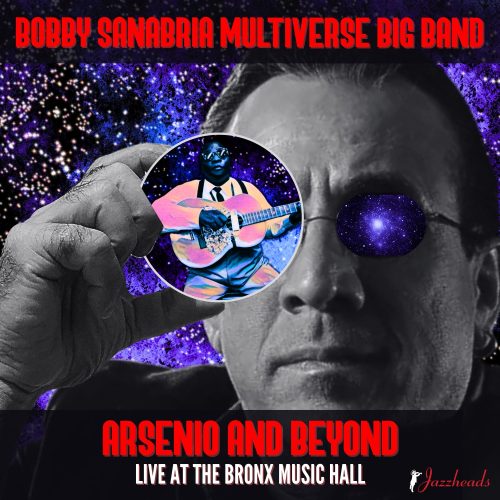
Bobby Sanabria Multiverse Big Band
Arsenio and Beyond: Live at the Bronx Music Hall
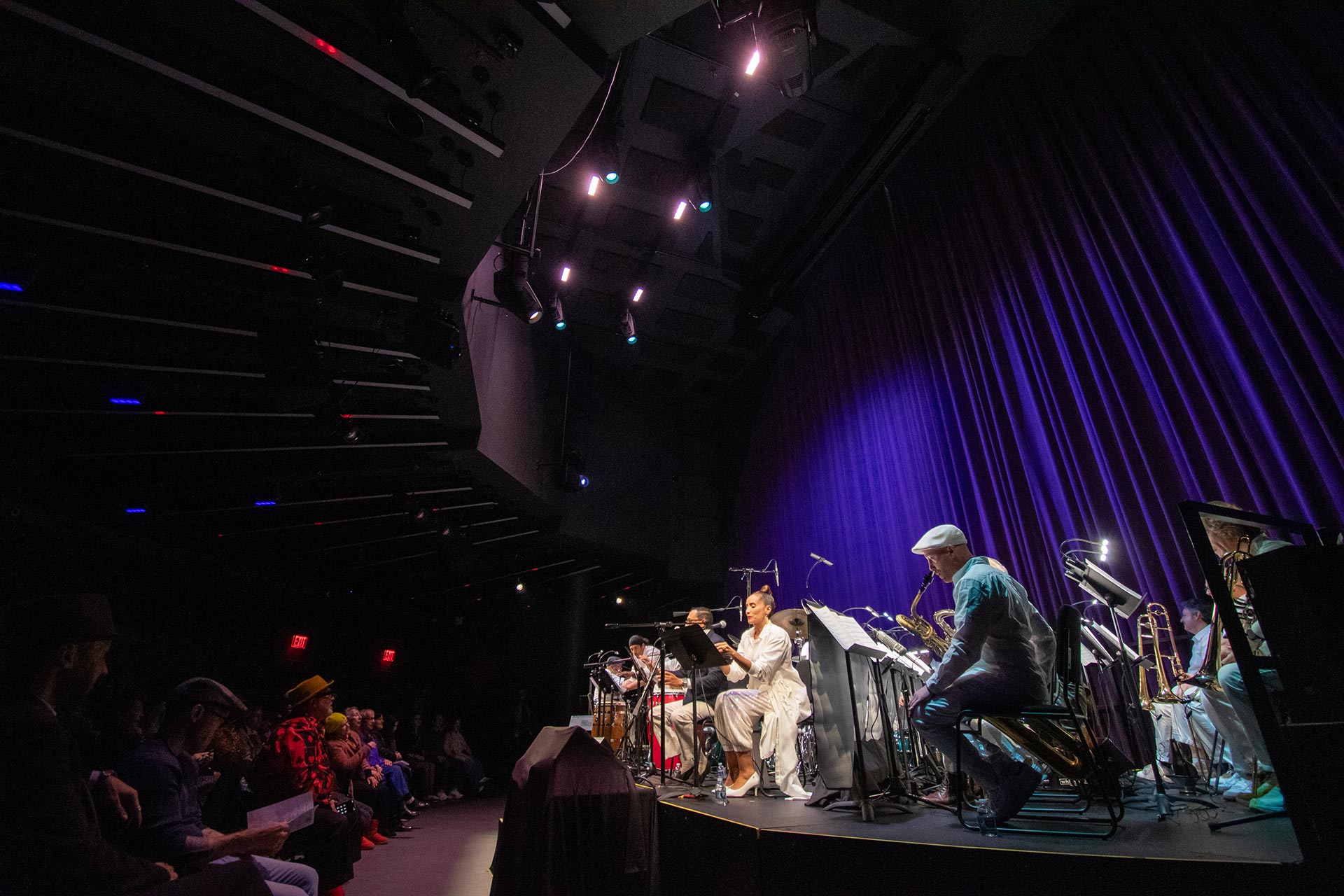
“The true Father of Mambo and Son Montuno, without Arsenio Rodriguez there is no salsa, Afro-Cuban jazz, and many would even argue, rock and funk. Although his music is timeless, I’ve always envisioned it being interpreted in a big band setting with modern, progressive jazz oriented arrangements. That vision has now finally become a reality in the recording you are holding in your hands. That it was done in front of a live audience with my incredible Multiverse Big Band in the mighty South Bronx where Arsenio once lived, in the new Bronx Music Hall where I am the co-Artistic Director with Elena Martinez right near where I grew up makes it even more special. ¡Qué viva Arsenio!” – Bobby Sanabria
Tracklist
1. TUMBA Y BONGO – Arsenio Rodriguez, arranged by Jeremy Fletcher – Peer International Corp. BMI – 6:50
Solos: Matthew Gonzalez – bongó, Oreste Abrantes – congas, caja (low conga on opening intro), Max Darché – trumpet w/ plunger mute, Kali Rodriguez-Peña – trumpet, Gerardo Contino, Jennifer Jade Ledesna – vocals, entire sax section – soli
2. LA FRUTA – composed and arranged by Takao Heisho
– Takao Heisho Music ASCAP – 5:42
Solos: Matthew Gonzalez – Caja (low conga on intro), Noah Bless – trombone, Gerardo Contino – vocals, Kali Rodriguez-Peña (opening trumpet solo), Max Darché (closing trumpet solo)
3. NO QUIERO – Arsenio Rodriguez, arranged by Marty Sheller, Charlie Miller (horn soli), new arrangement, orchestration Takao Heisho
– Peer International Corp. BMI – 6:05
Solos: Gerardo Contino – vocals, Gabrielle Garo – flute, Kali Rodriguez-Peña – trumpet, Max Darché – trumpet (closing solo in finale), Horn soli – entire sax section w/ flute and Cuban tres
4. LA CARTERA – Arsenio Rodriguez, arranged by Andrew Neesley
– Peer International Corp. BMI – 8:57
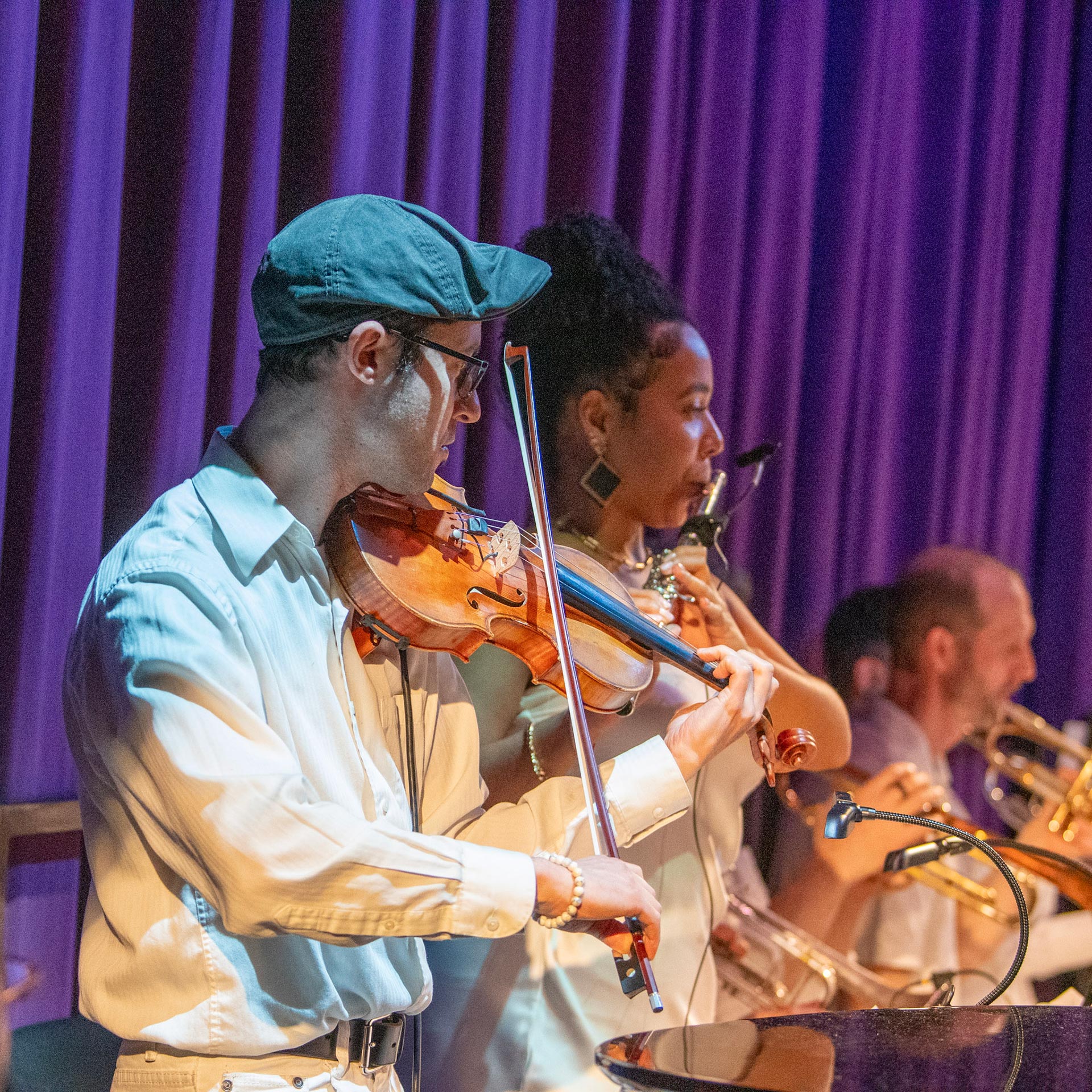
Solos: Gerardo Contino – vocals, Darwin Noguera – piano, Benjamin Lapidus – Cuban tres, Gabrielle Garo – flute, Ben Sutin – electric violin, Oreste Abrantes, Bobby Sanabria – background vocal responses
5. LA VIDA ES UN SUEÑO – Arsenio Rodriguez, arranged by Andrew Neesley – Peer International Corp. BMI – 4:49
Solos: Gerardo Contino – vocals, Jennifer Jade Ledesna – vocals and vocal scat, Andrew Gould – alto sax, Chris Washburne – bass trombone
6. MAMBO DIABLO – Tito Puente, arranged by Tito Puente, new arrangement Jeremy Fletcher – Patricia Music ASCAP 8:26
Solos: David Dejesus – soprano sax, Andrew Neesley – trumpet, Peter Brainin – tenor sax, Danny Rivera – bari sax, Oreste Abrantes – congas,
Sax Cadenza – entire sax section, Benjamin Lapidus – Cuban tres cadenza
7. MULATO RUMBERO – Alejandro Rodriguez, arranged by Kyle Athayde, – Tumi Music Licensing – 8:01
Solos: Oreste Abrantes – vocals, Max Darché – opening and closing trumpet cadenzas, Benjamin Lapidus – electric guitar, Jeff Lederer – tenor sax, Bobby Sanabria – drums, Nate Eklund, Matt Hilgenberg, Andrew Neesley, Kali Rodriguez-Pena, Max Darché (and final cadenza) – trumpets, Oreste Abrantes Gerardo Contino, Jennifer Jade Ledesna, Bobby Sanabria – final vocal cadenza
8. EL ELEMENTO DEL BRONX – Arsenio Rodriguez, arranged by Andrew Neesley – Peer International Corp. BMI – 11:14
Solos: Oreste Abrantes (intro diana), Gerardo Contino, Jennifer Jade Ledesna, Oreste Abrantes, Bobby Sanabria – vocals, Sax Soli – entire section w/ flute, Matt Hilgenberg – trumpet, Darwin Noguera – piano, Benjamin Lapidus – Cuban tres, Dave Miller – trombone, Bobby Sanabria – drums, Max Darché – finale trumpet solo w/ harmon mute
9. YO NACI EN AFRICA – Arsenio Rodriguez/ ANABACOA – Juanchín Ramírez, arranged by Danny Rivera, Bobby Sanabria, trombone, trumpet mambo/moña’s created/arranged spontaneously by the members of each section
– Peer International Corp. BMI – 11:01
Solos: Oreste Abrante – vocals, Andrew Gould – alto sax, Nathan Eklund – trumpet, Ben Sutin – electric violin, Gabrielle Garo – flute, Gerardo Contino – vocals, (improv soneo in montuno mambo section, final diana vocal cadenza), Peter Brainin – tenor sax, Armando Vergara – trombone, Peter Brainin – tenor sax, Max Darché – trumpet, Bobby Sanabria – hype man
Supervision of all arrangements, rhythm section and all vocal arrangements by Bobby Sanabria
TOTAL TIME: 71:05
Recorded live at the BRONX MUSIC HALL
438 E. 163rd St, Bronx, NY Saturday March 15, 2025
Head Recording Engineer: Michael Pirate
Assistant Recording Engineers: Alexey Menkov, Matt Barba, Jimmy Kavetas
EXECUTIVE PRODUCERS: Bobby Sanabria, WHEDCO, Randy Klein for Jazzheads Records
PRODUCED BY: Bobby Sanabria
ALBUM CONCEPT: Elena Martinez
MIXED BY: Jim Gately
MASTERED BY: Gene Paul, G & J Audio
COVER CONCEPT: Bobby Sanabria
COVER ART DESIGN: Fernando Garcia, The Fox & King Inc.
PHOTOS: Jeremy Fletcher, photo of Bobby on drums Roberto José Sanabria
BOBBY SANABRIA COVER PHOTO: Brian Hatton
ARSENIO COVER PHOTO: Frank Driggs Collection courtesy of Jazz at Lincoln Center
BRONX MUSIC HALL STAFF
Artistic Directors – Elena Martinez, Bobby Sanabria
Managing Director – Seth Rothschild
Arts Education Coordinator – Lynne Mold
Marketing and Events Coordinator – Katerin Burgos
Technical Manager – Jimmy Caveats
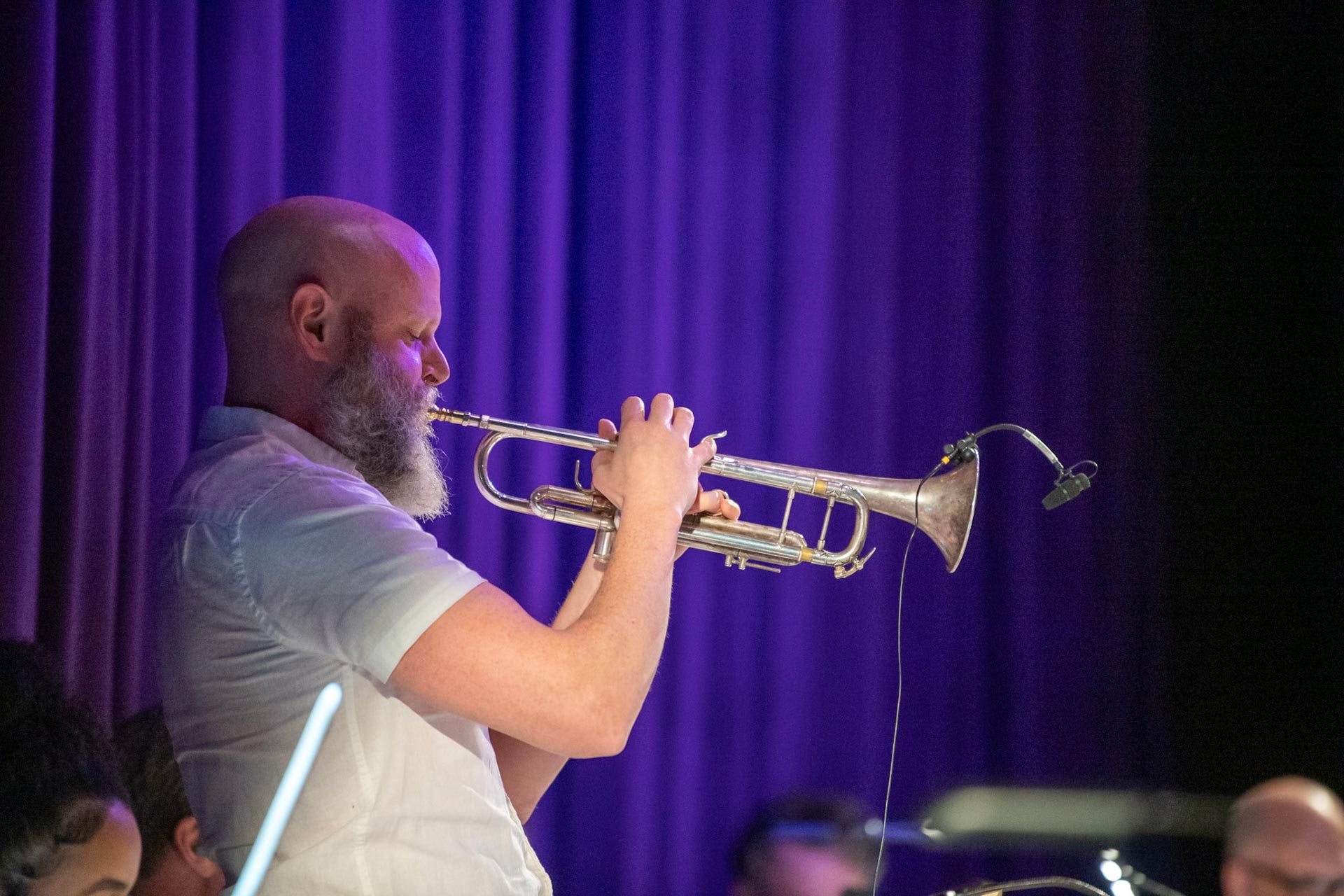
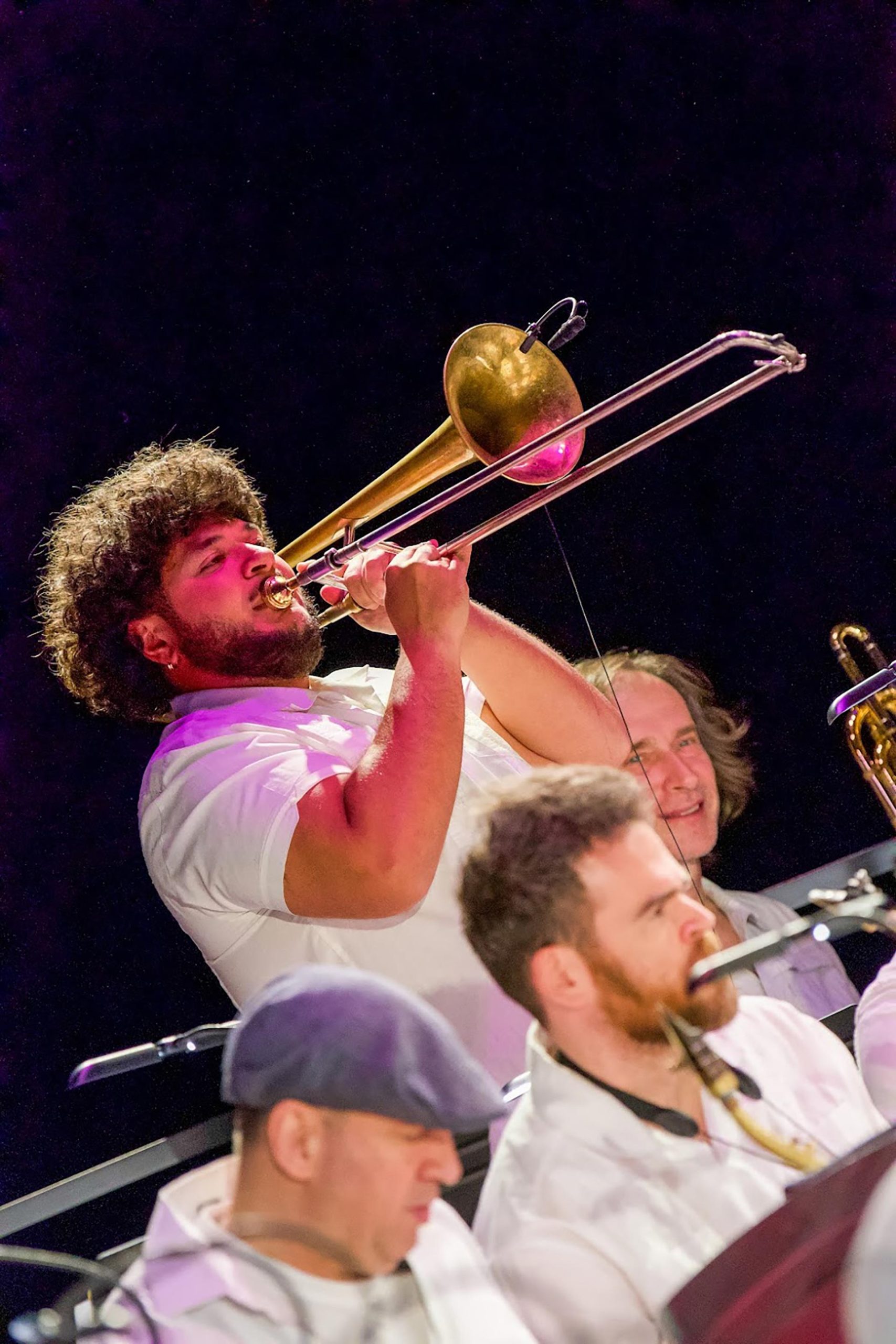
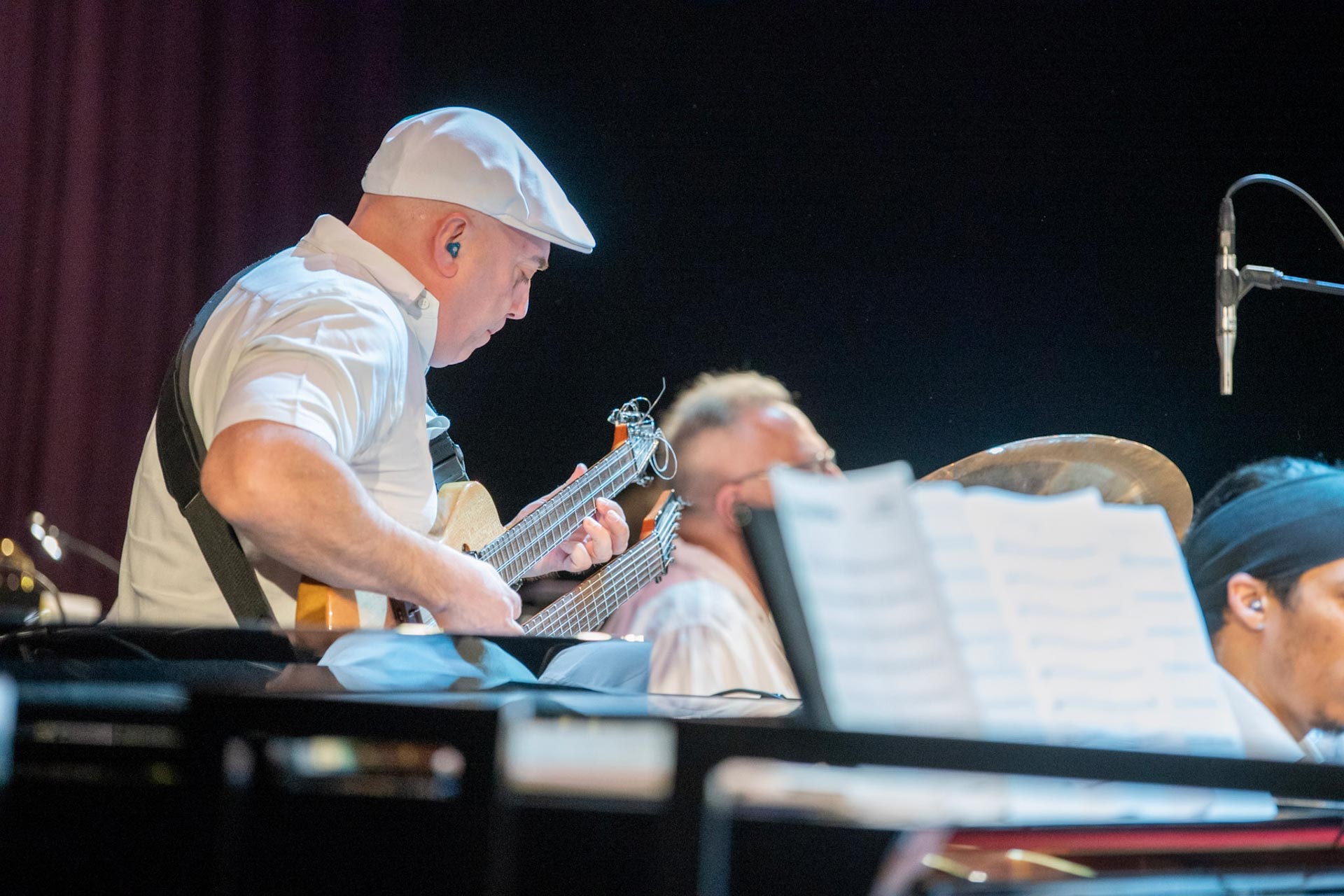
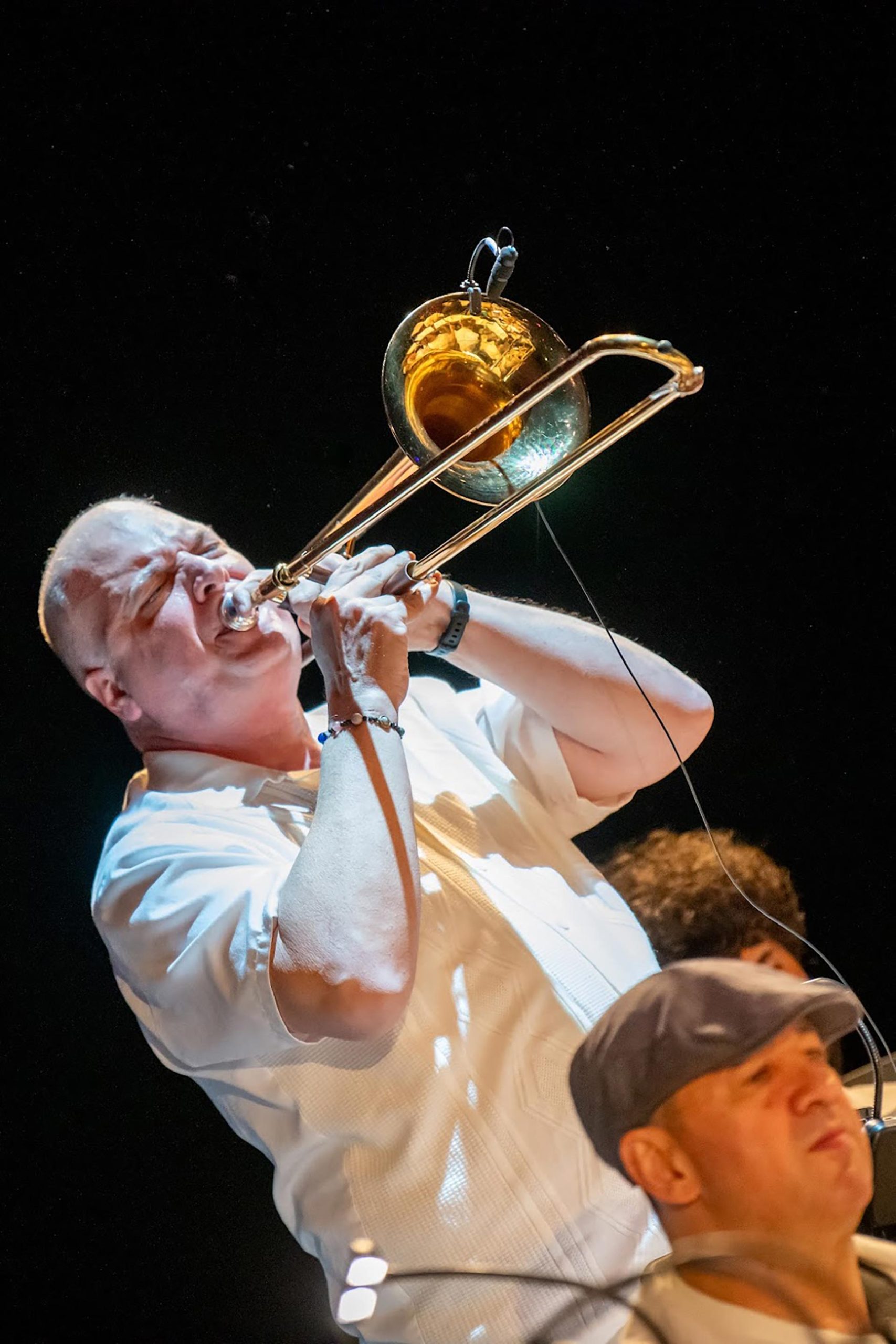
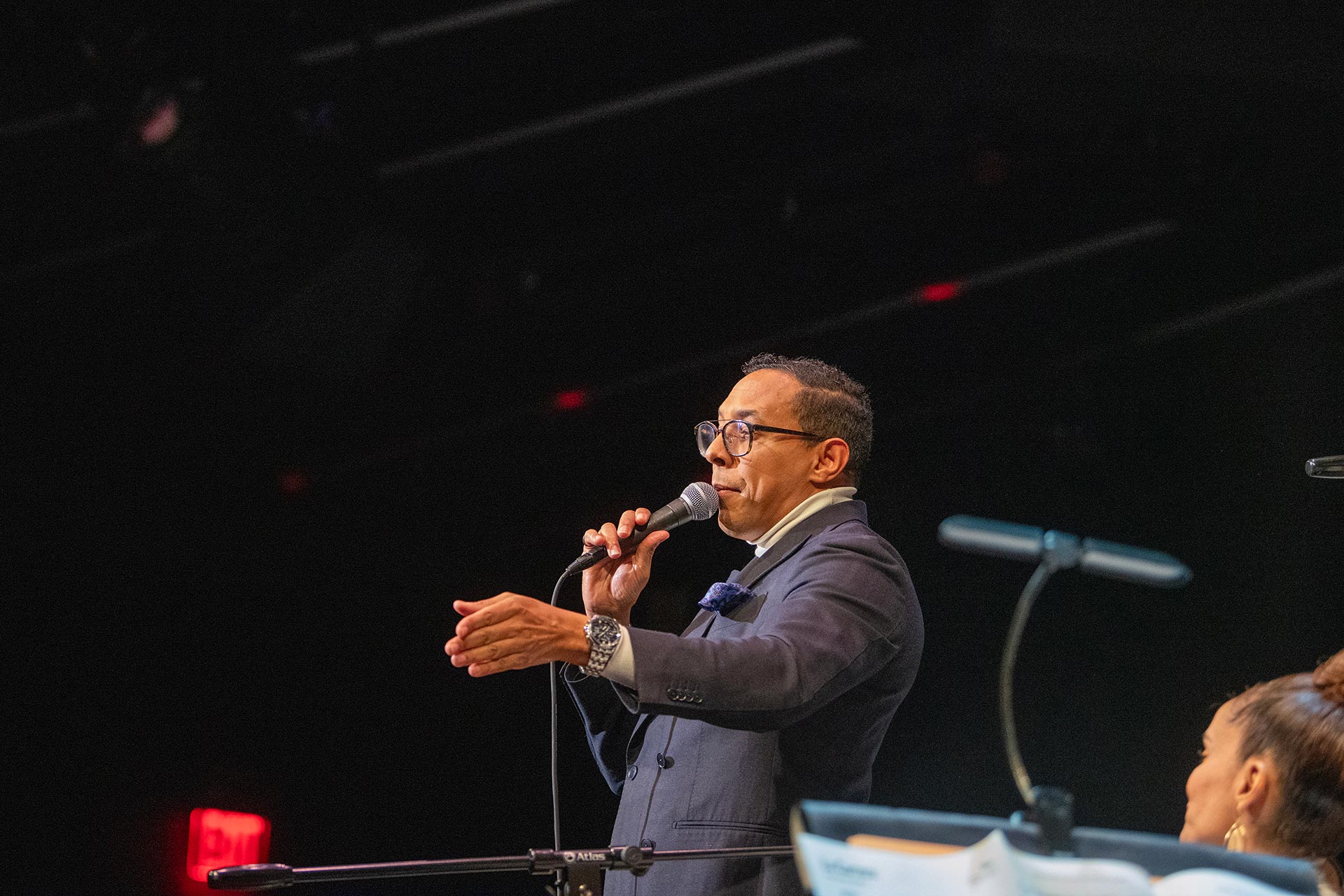
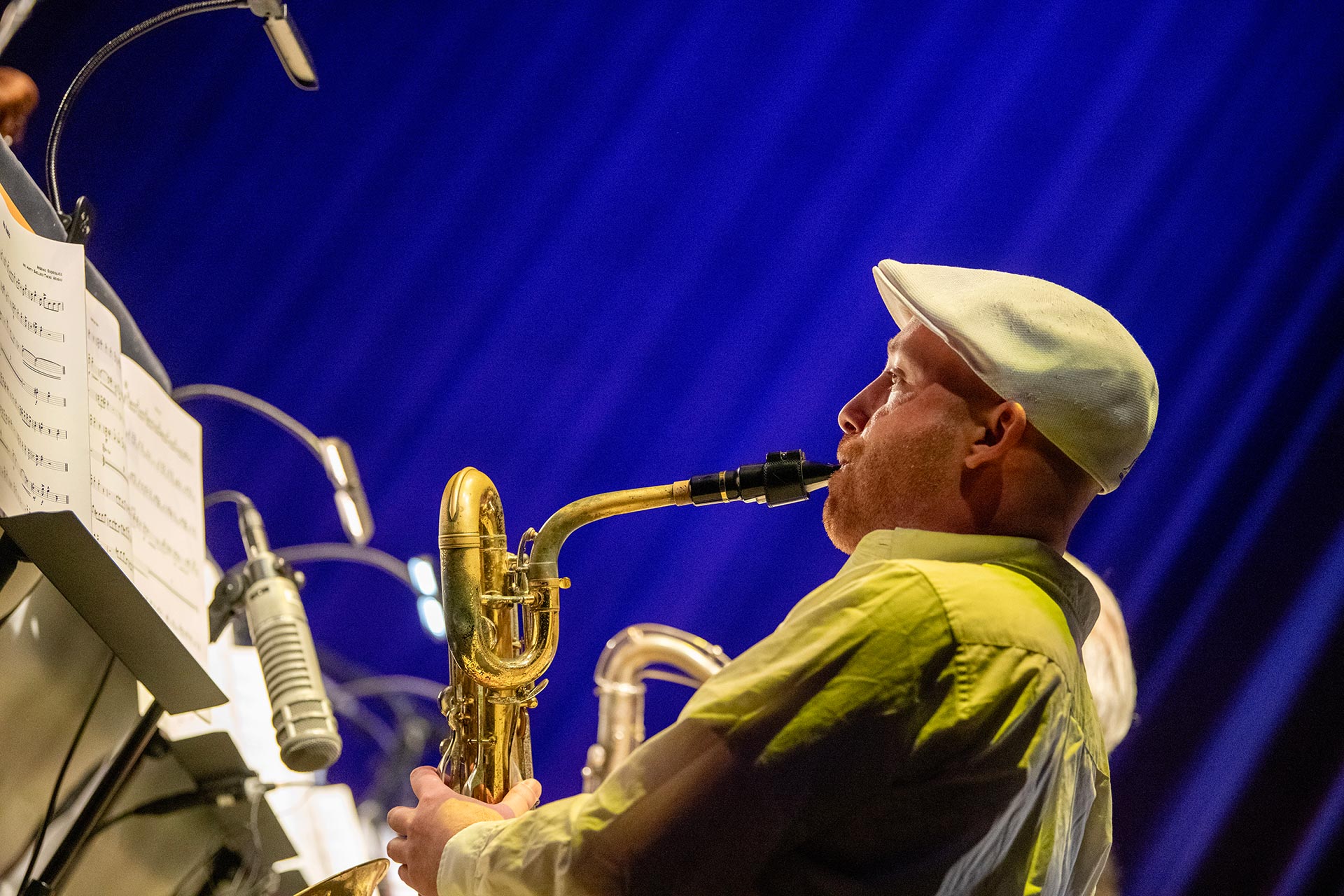
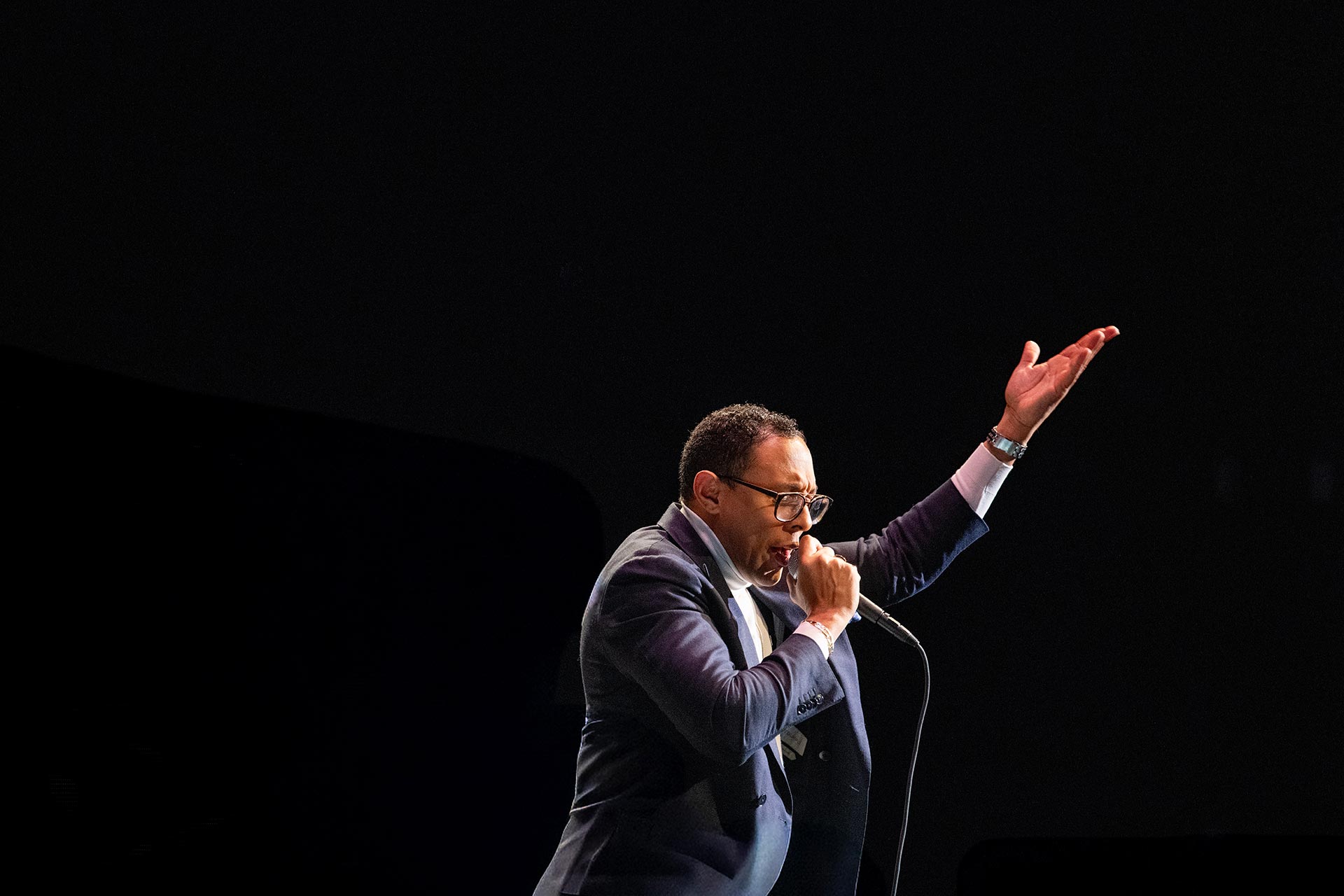
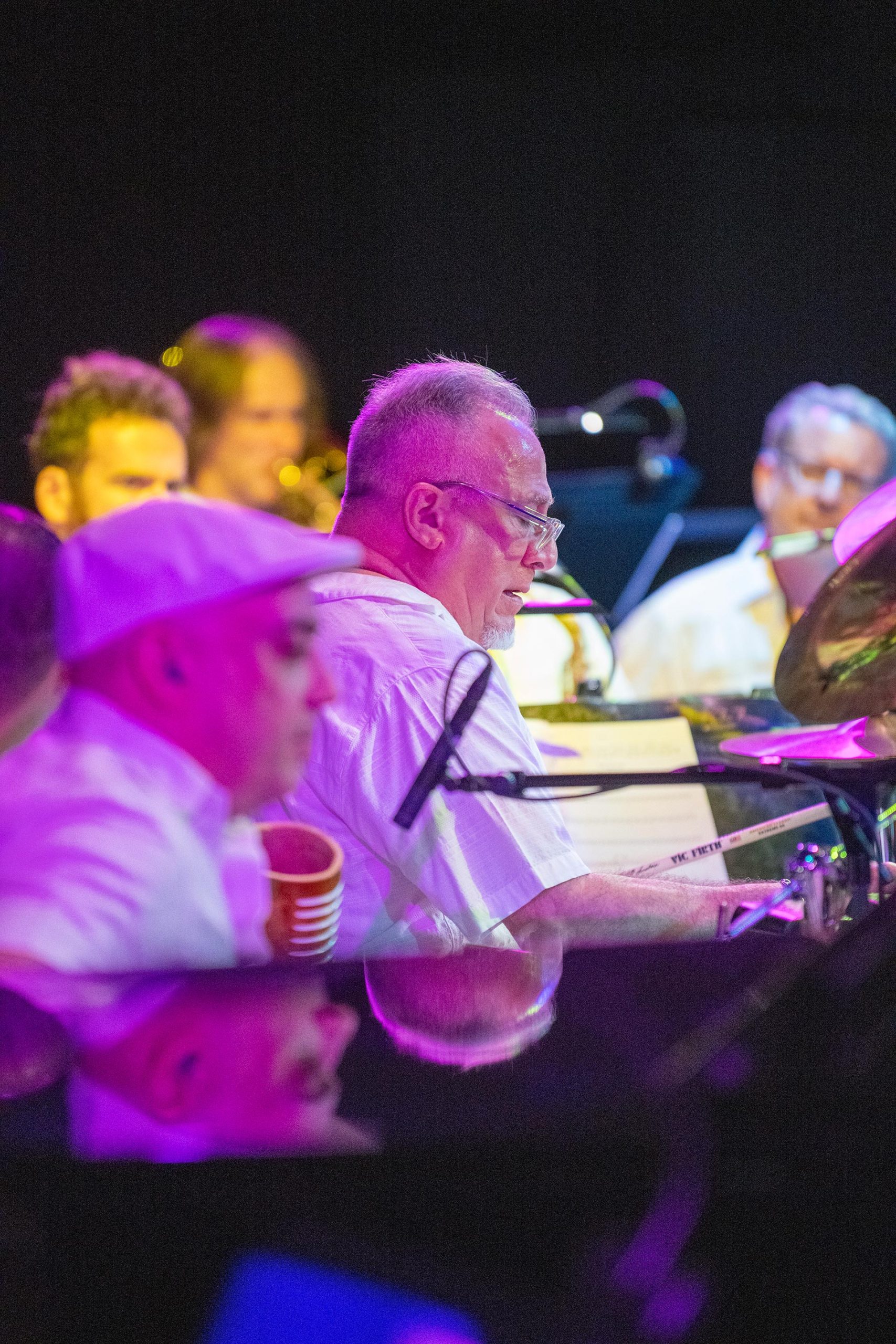
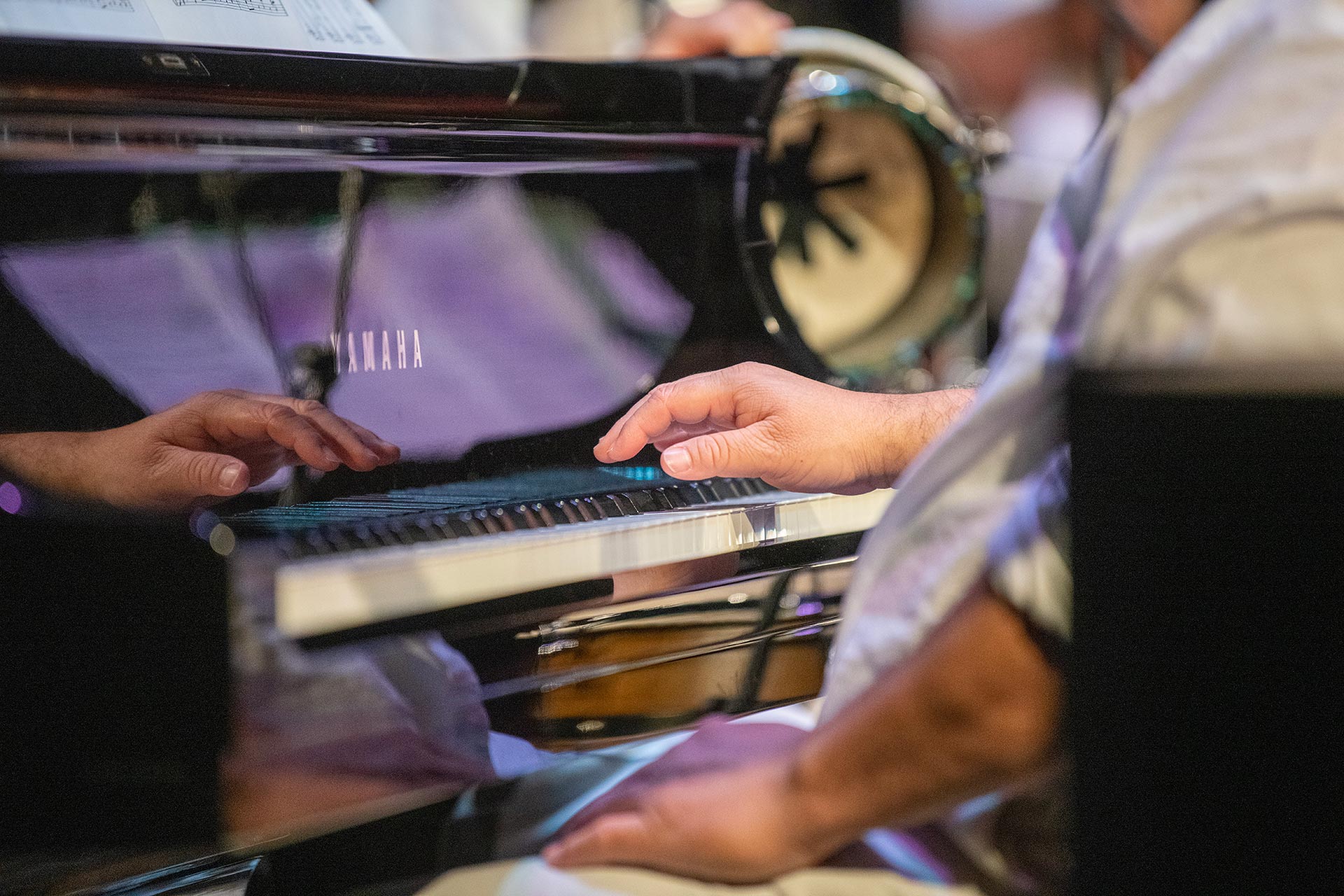
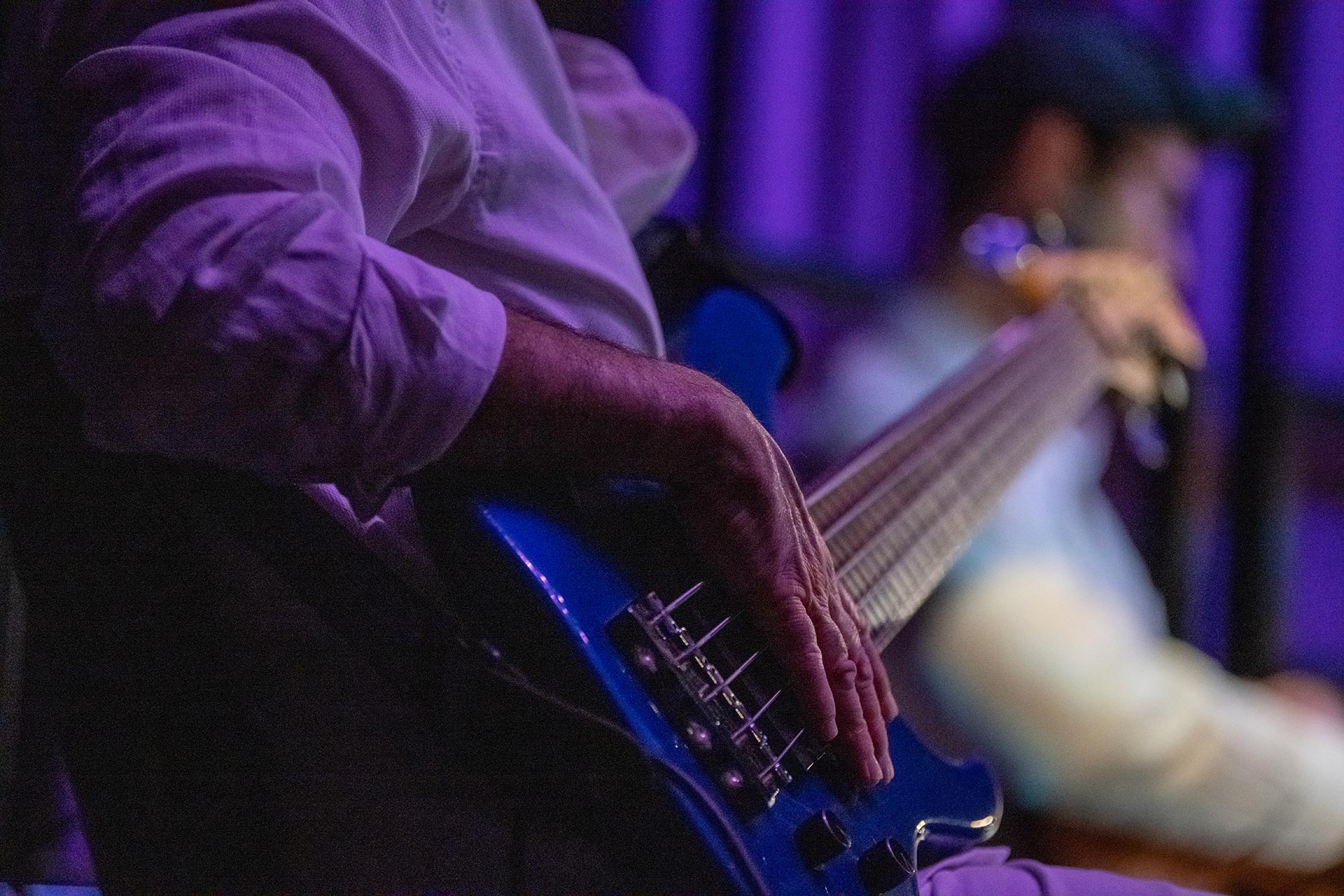
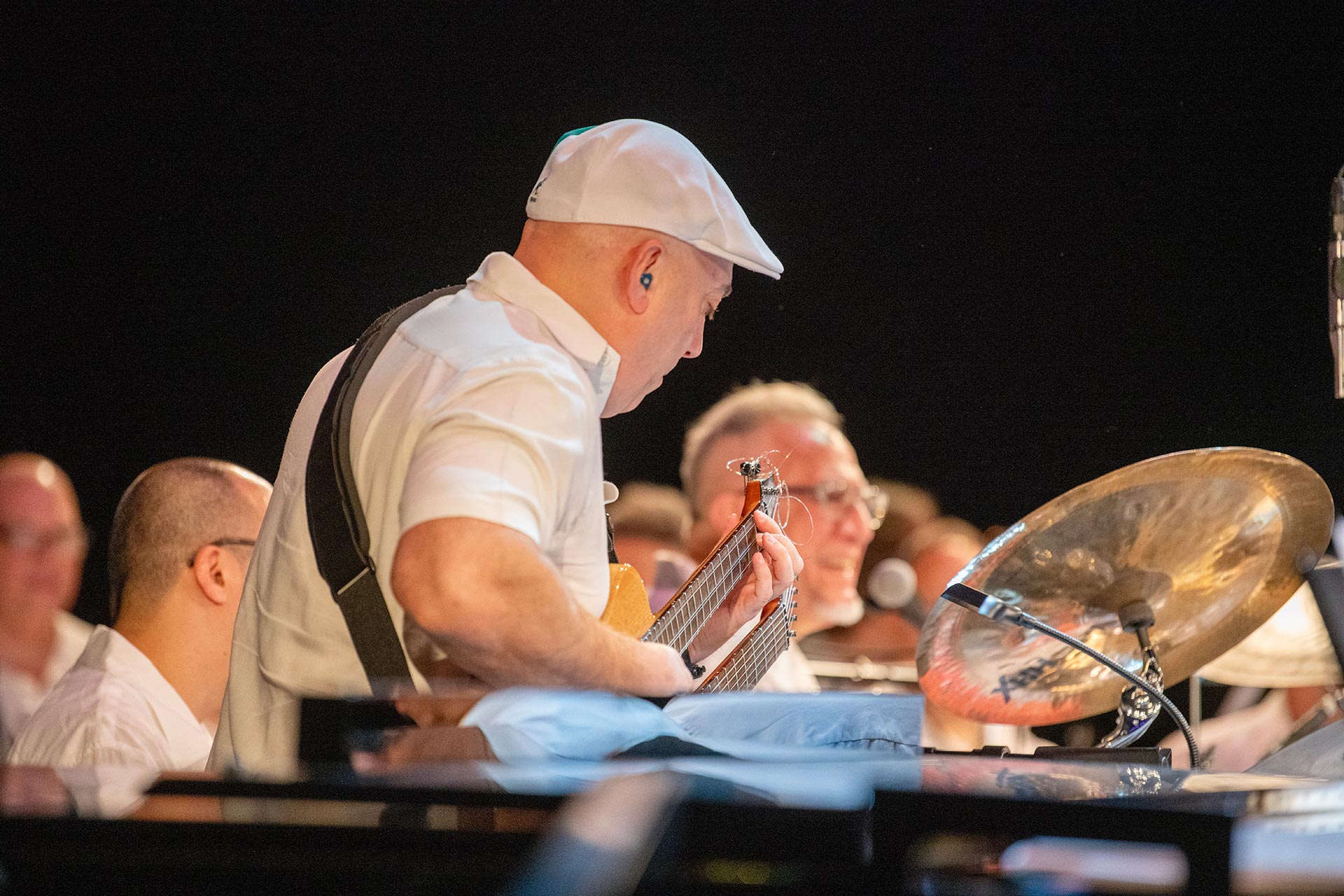
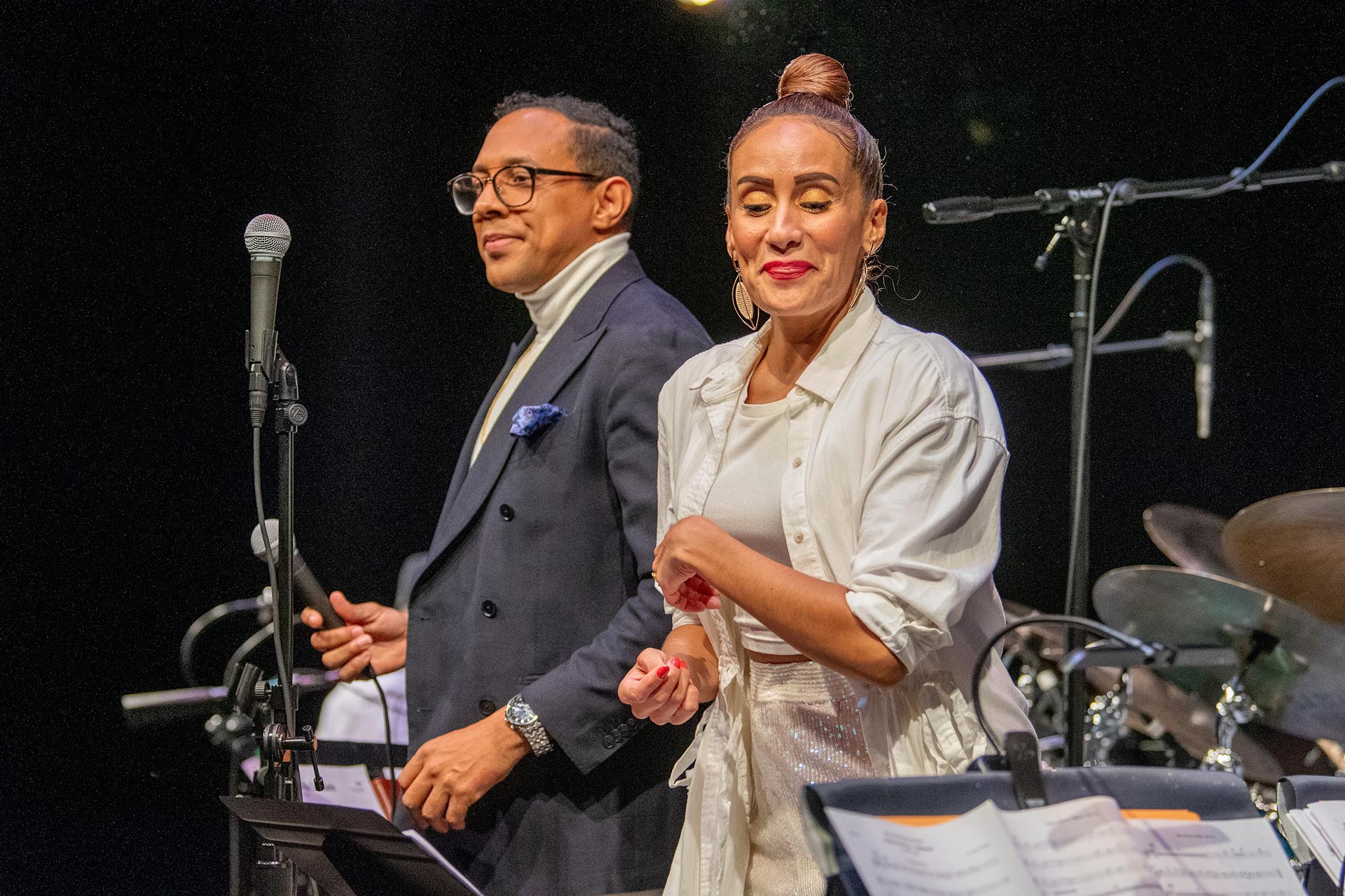
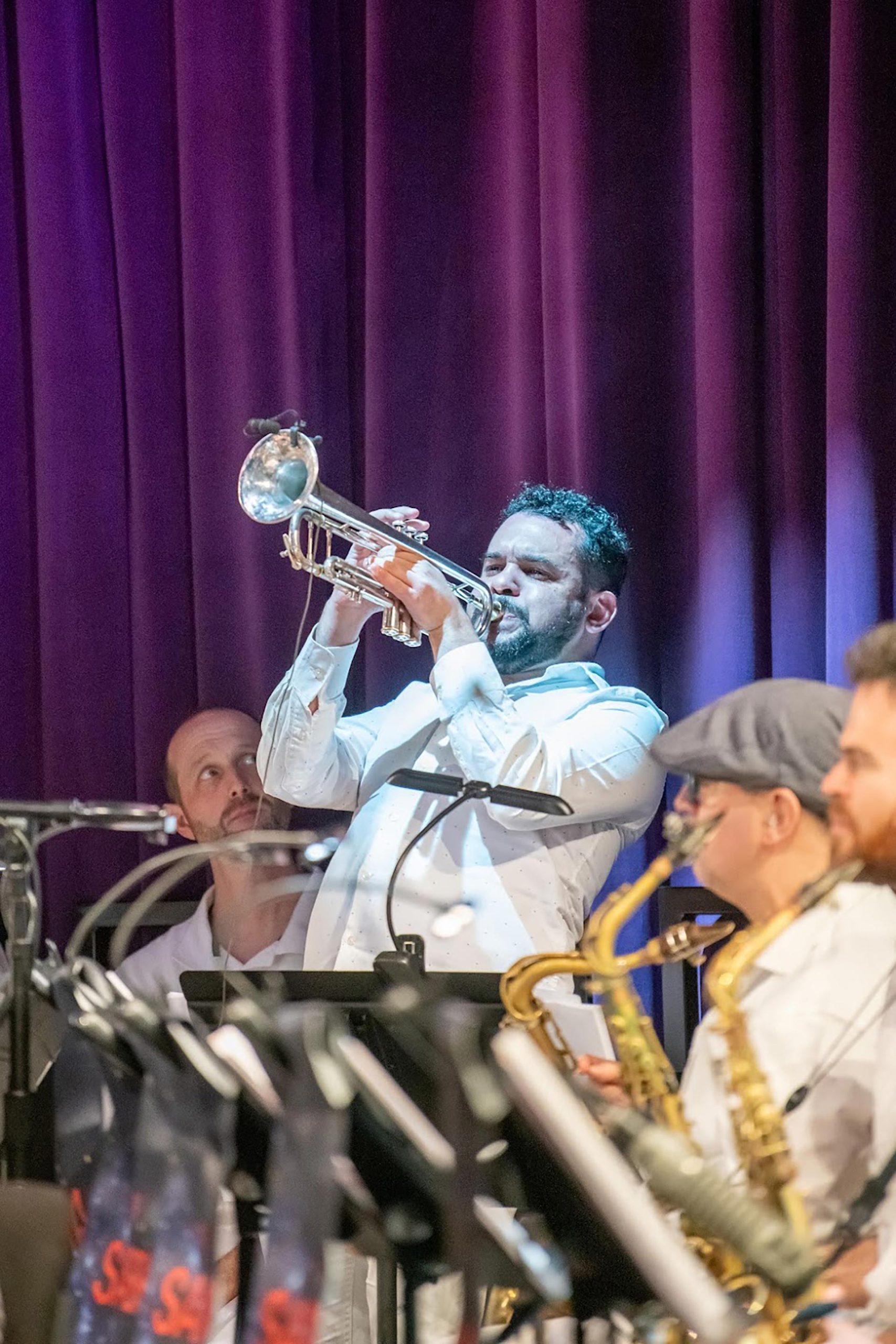
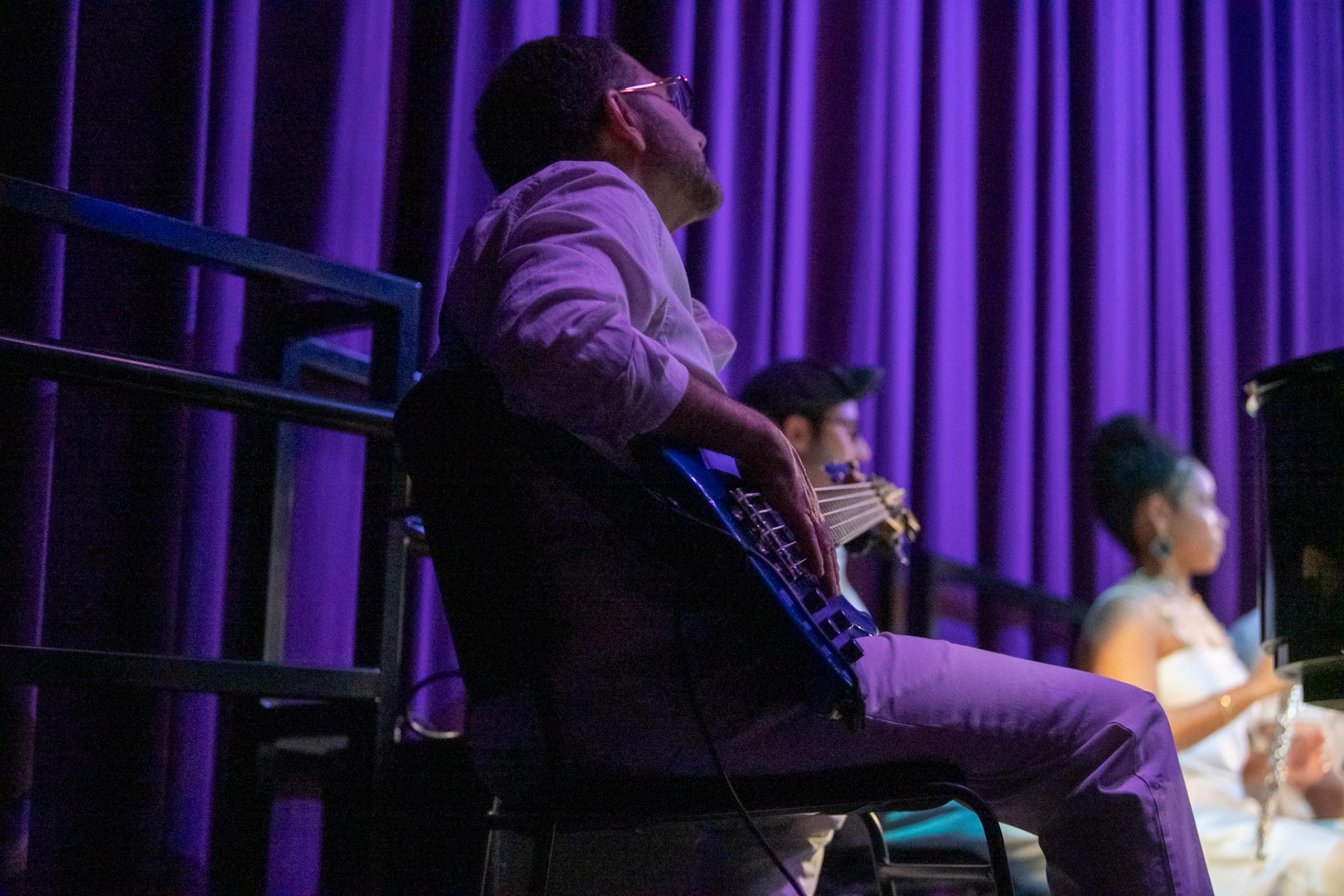
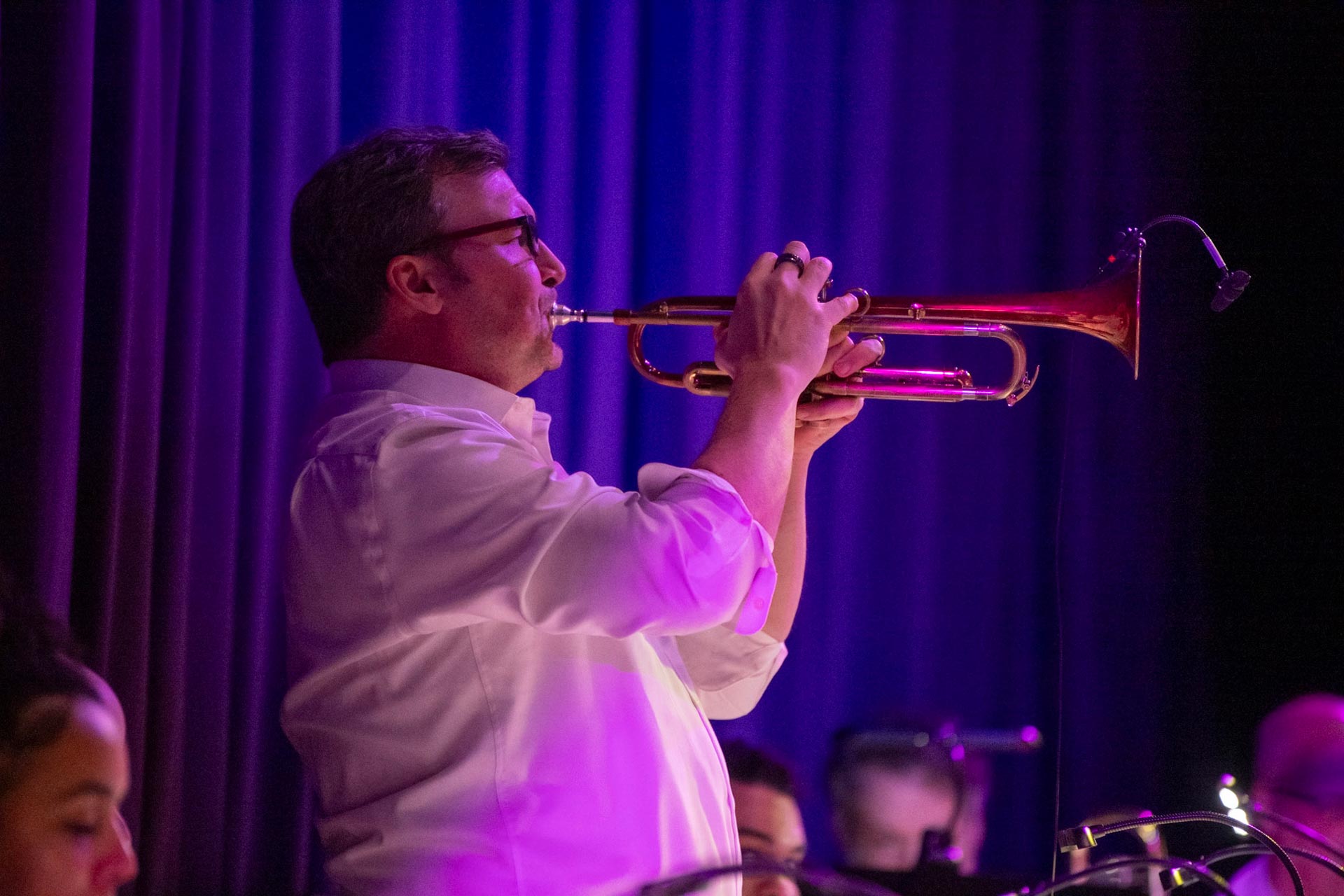
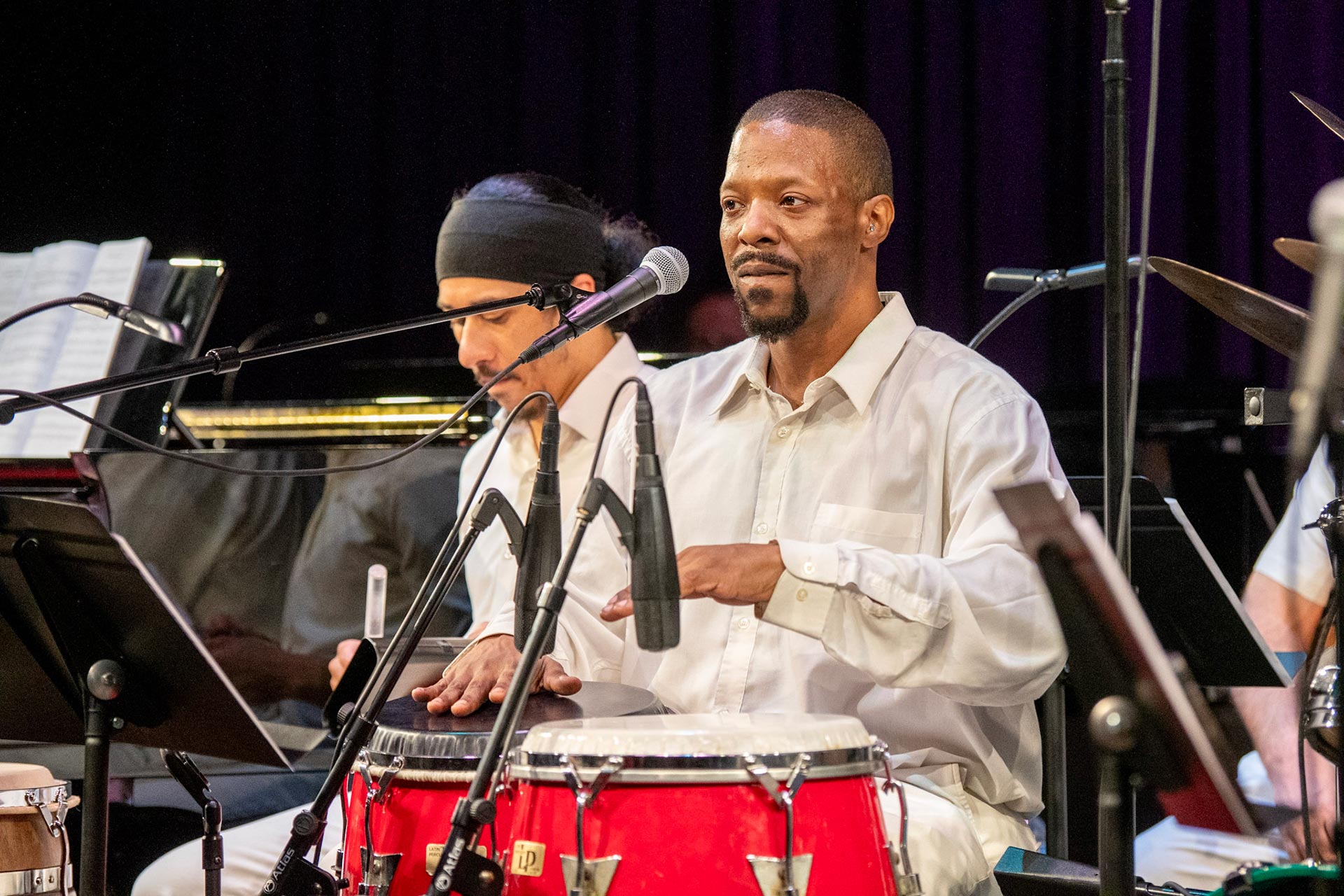
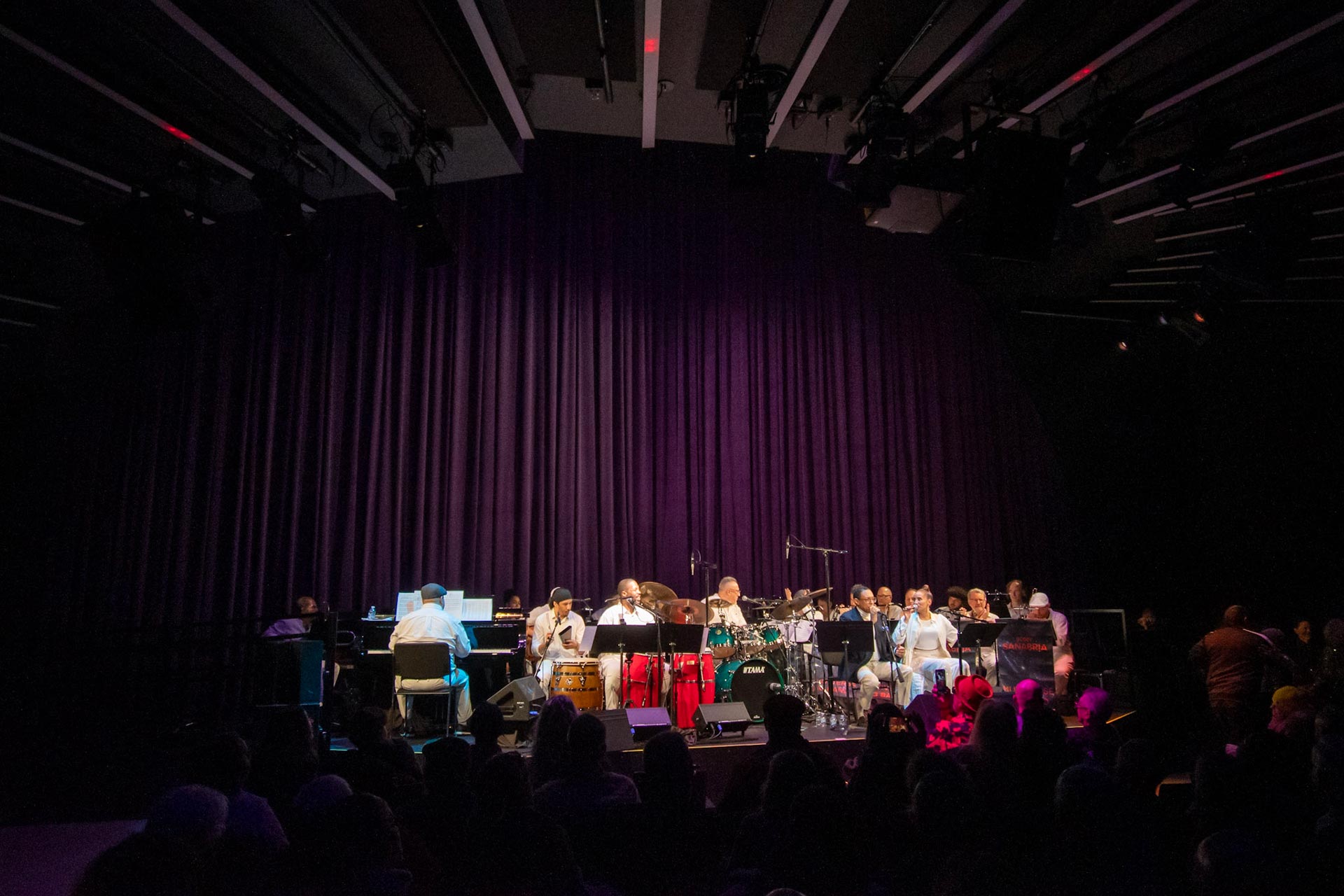
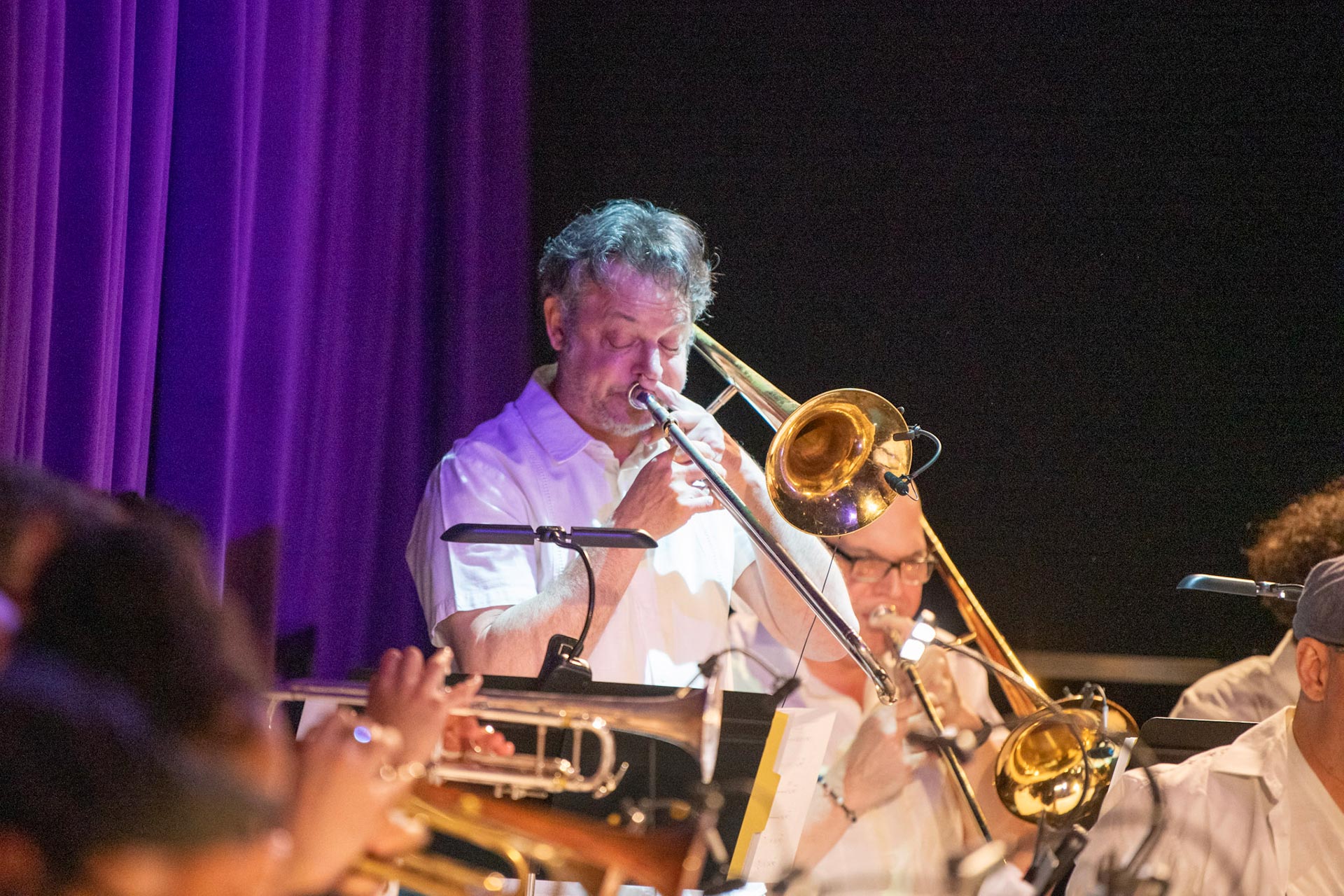
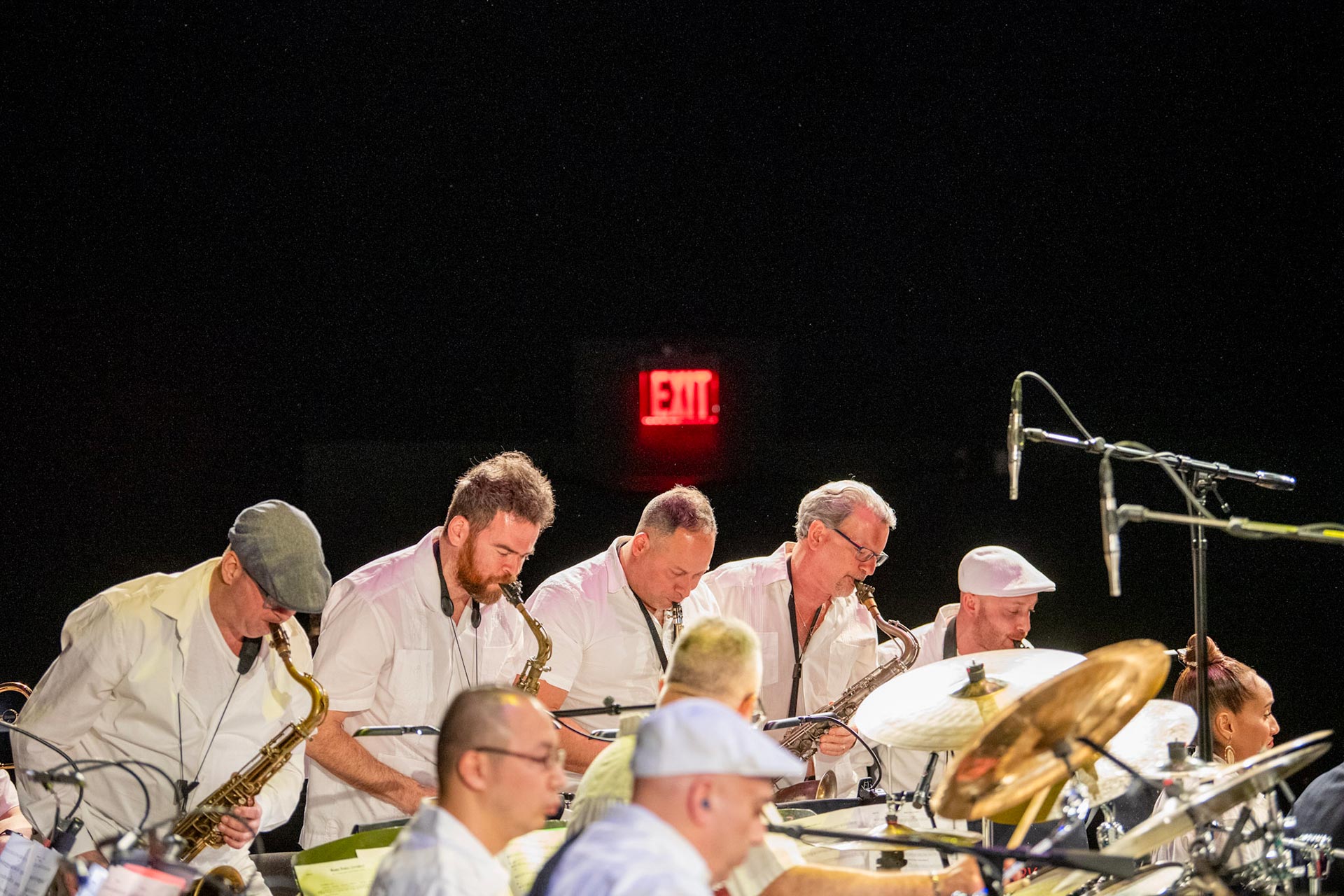
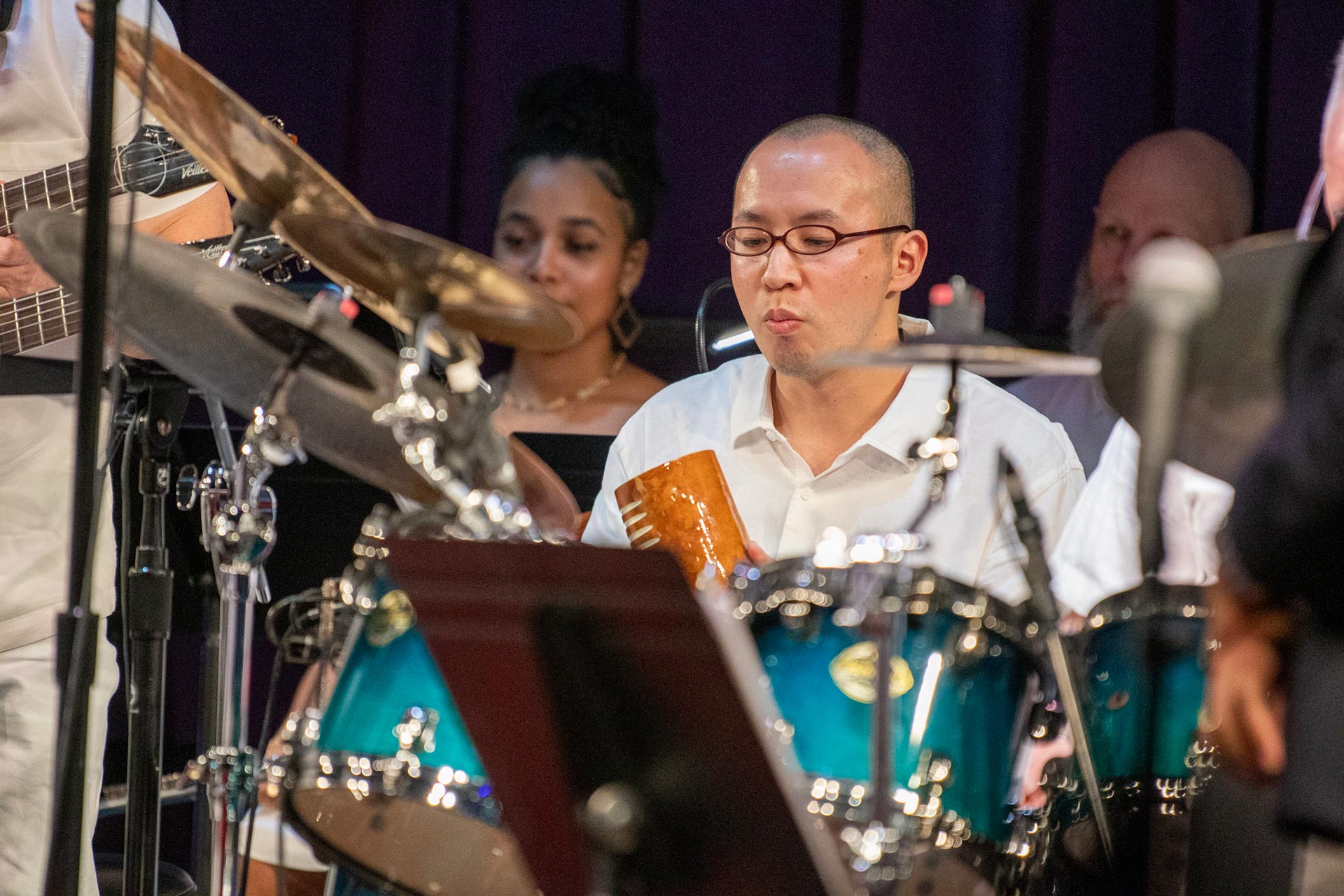
BOBBY SANABRIA MULTIVERSE BIG BAND
RHYTHM:
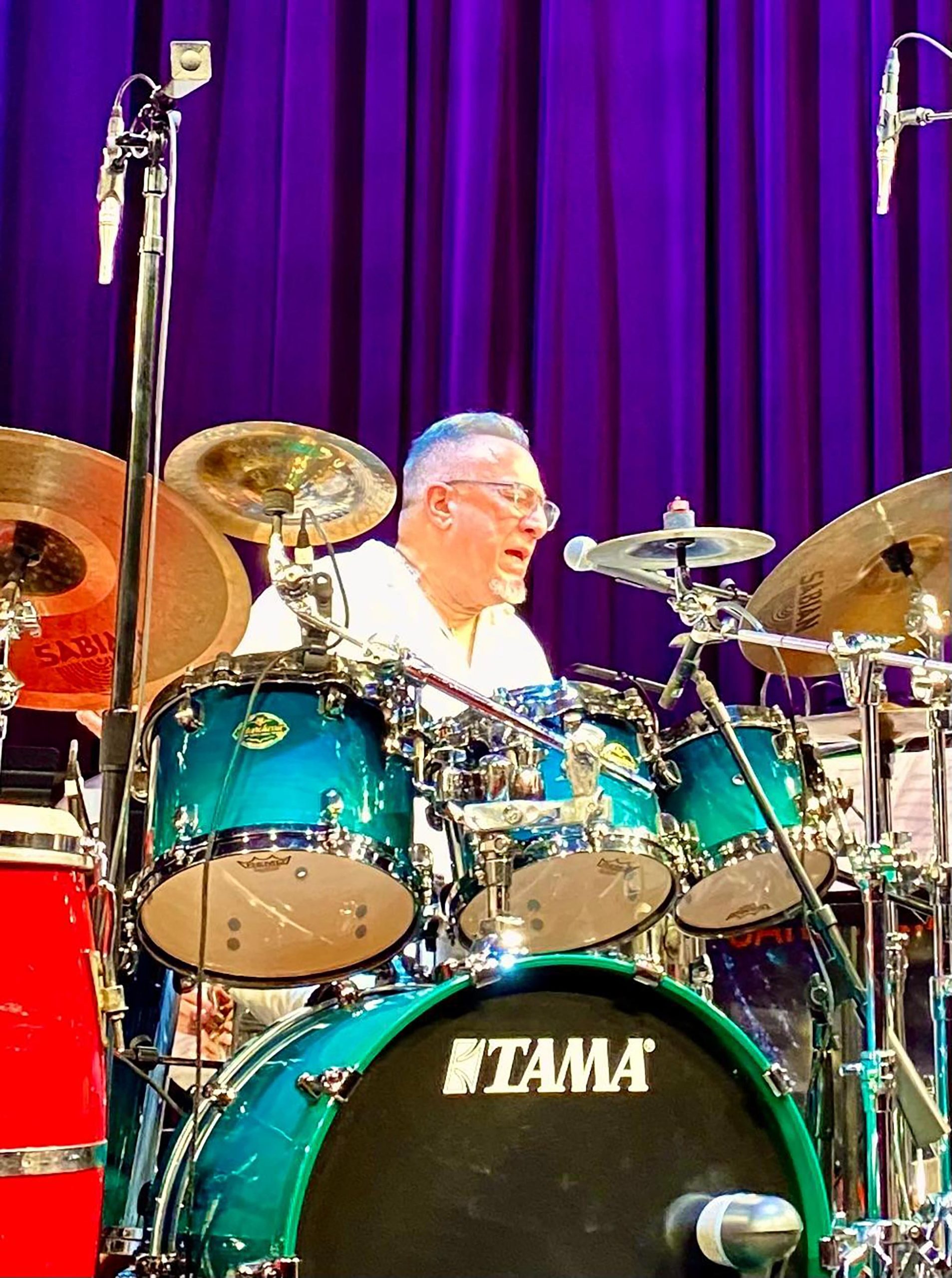
Bobby Sanabria – musical director, drums, whistle, wind chimes, background vocals
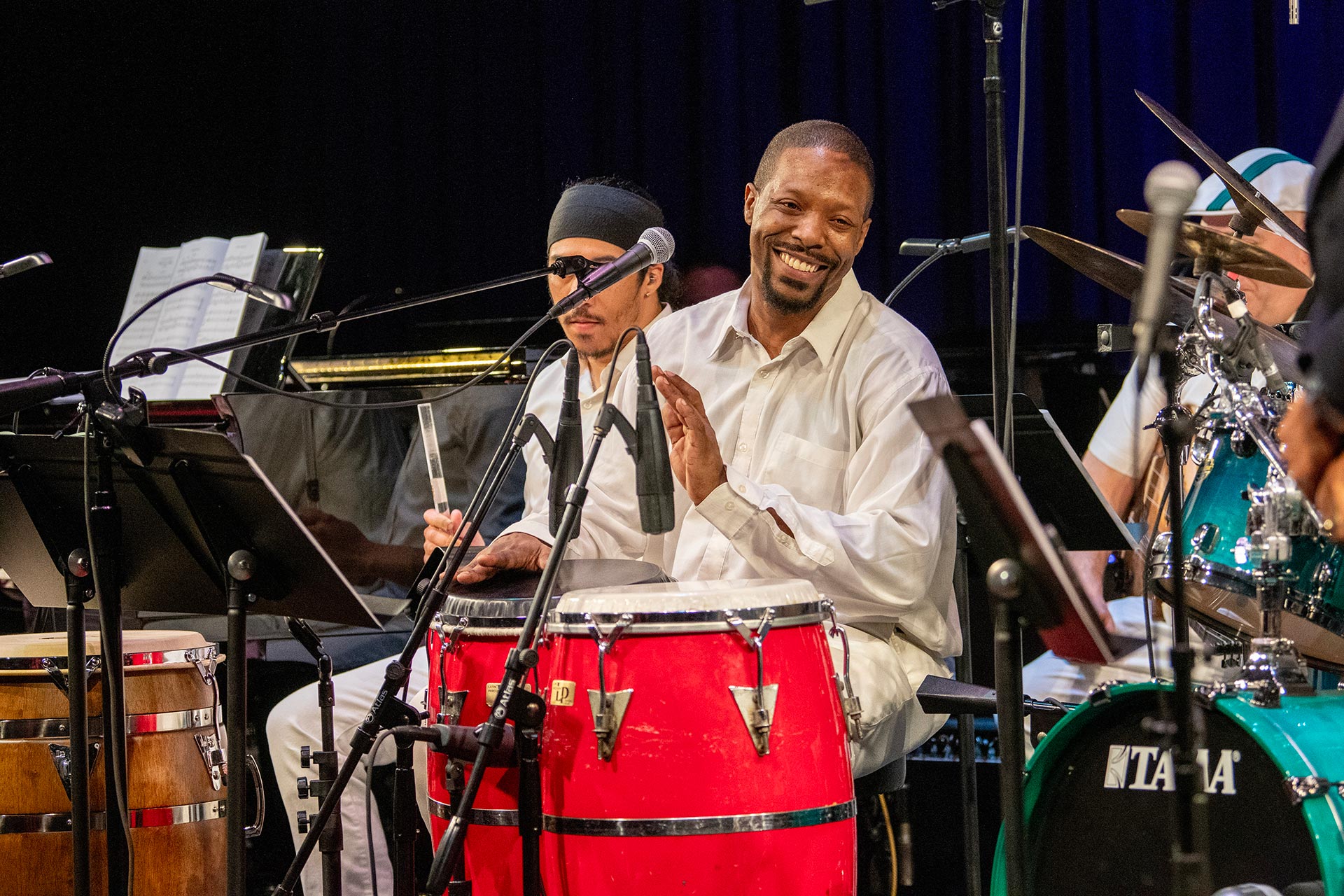
Oreste Abrantes – congas, lead and background vocals
Matthew Gonzalez – bongó/cencerro, background vocals
Takao Heisho – guiro macho, maracas, claves, gongui, vibra-soap
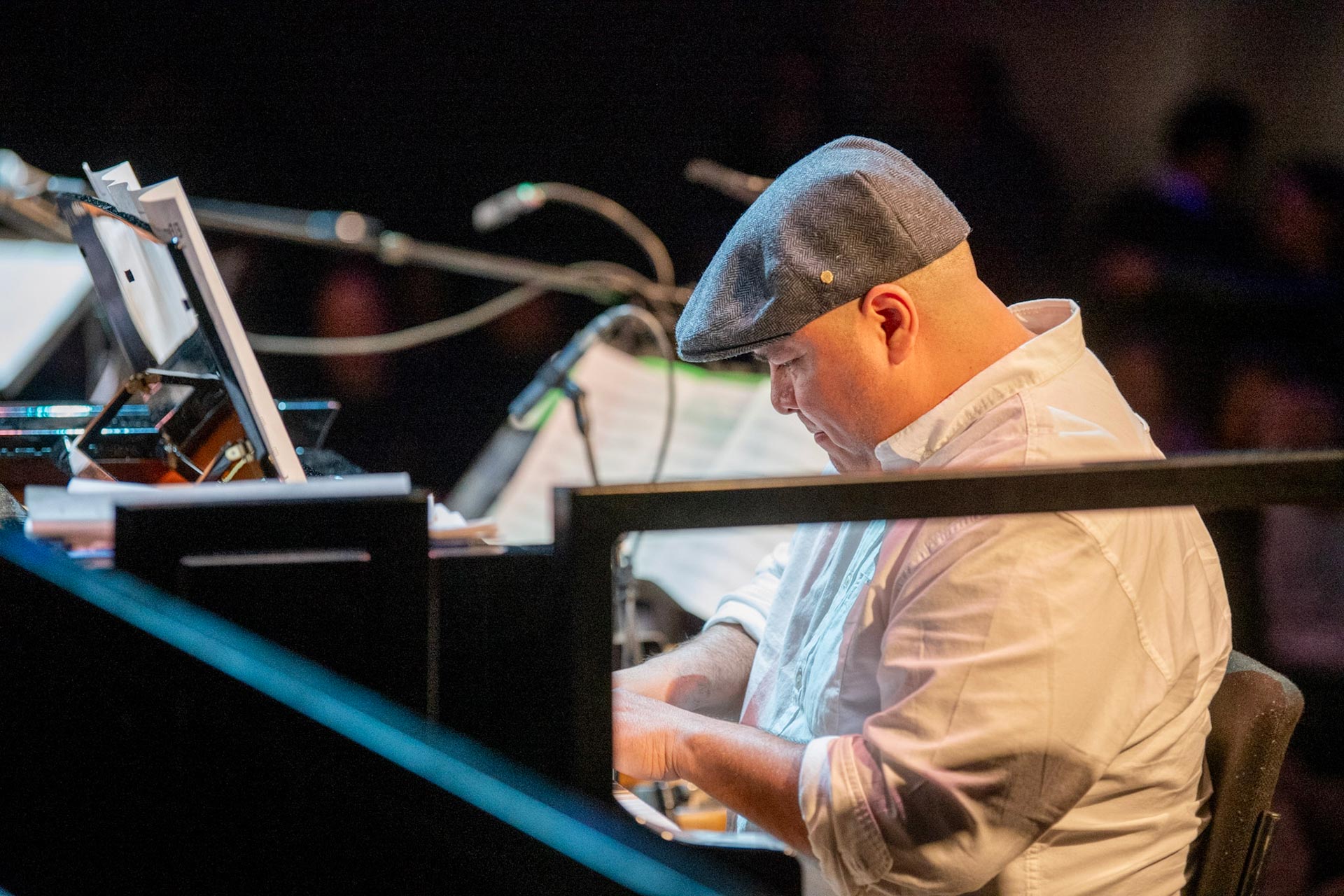
Darwin Noguera – piano
Leo Traversa – electric bass
SAXOPHONES:
David Dejesus – lead alto, soprano, flute
Andrew Gould – alto
Peter Brainin – tenor
Jeff Lederer – tenor
Danny Rivera – bari
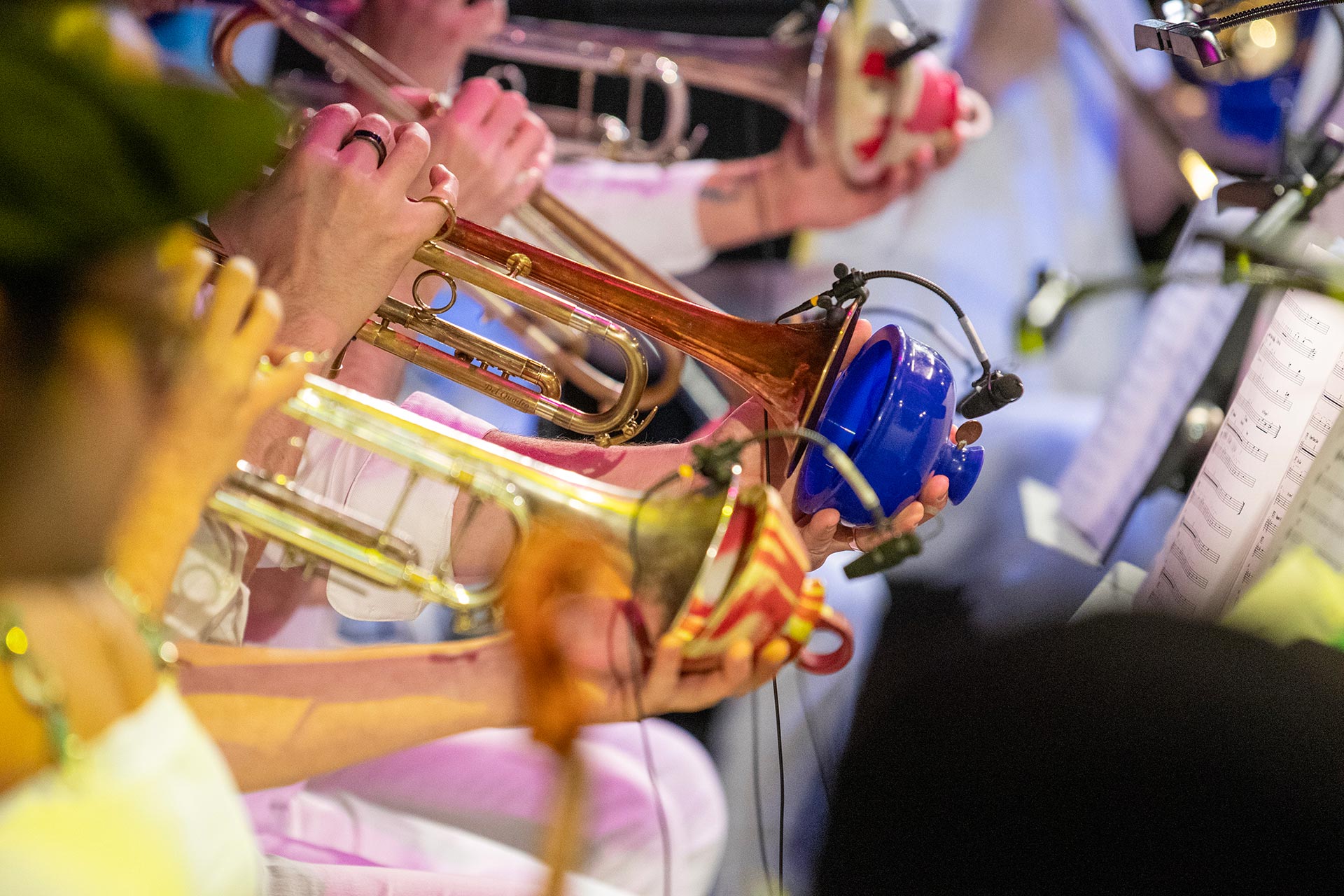
TRUMPETS:
Nate Eklund – lead
Matt Hilgenberg
Kali Rodriguez Peña
Andrew Neesley
Max Darché (guest soloist)
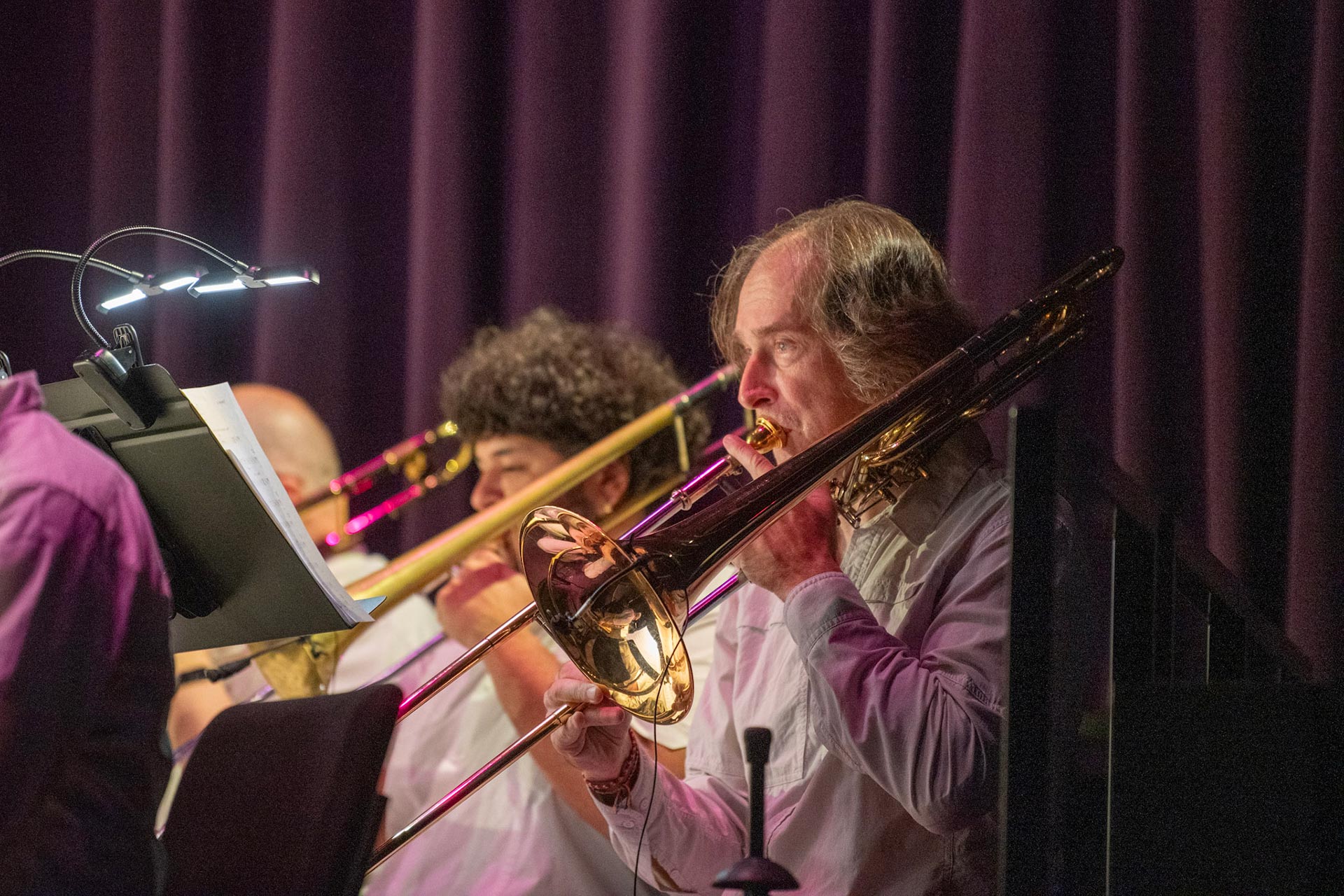
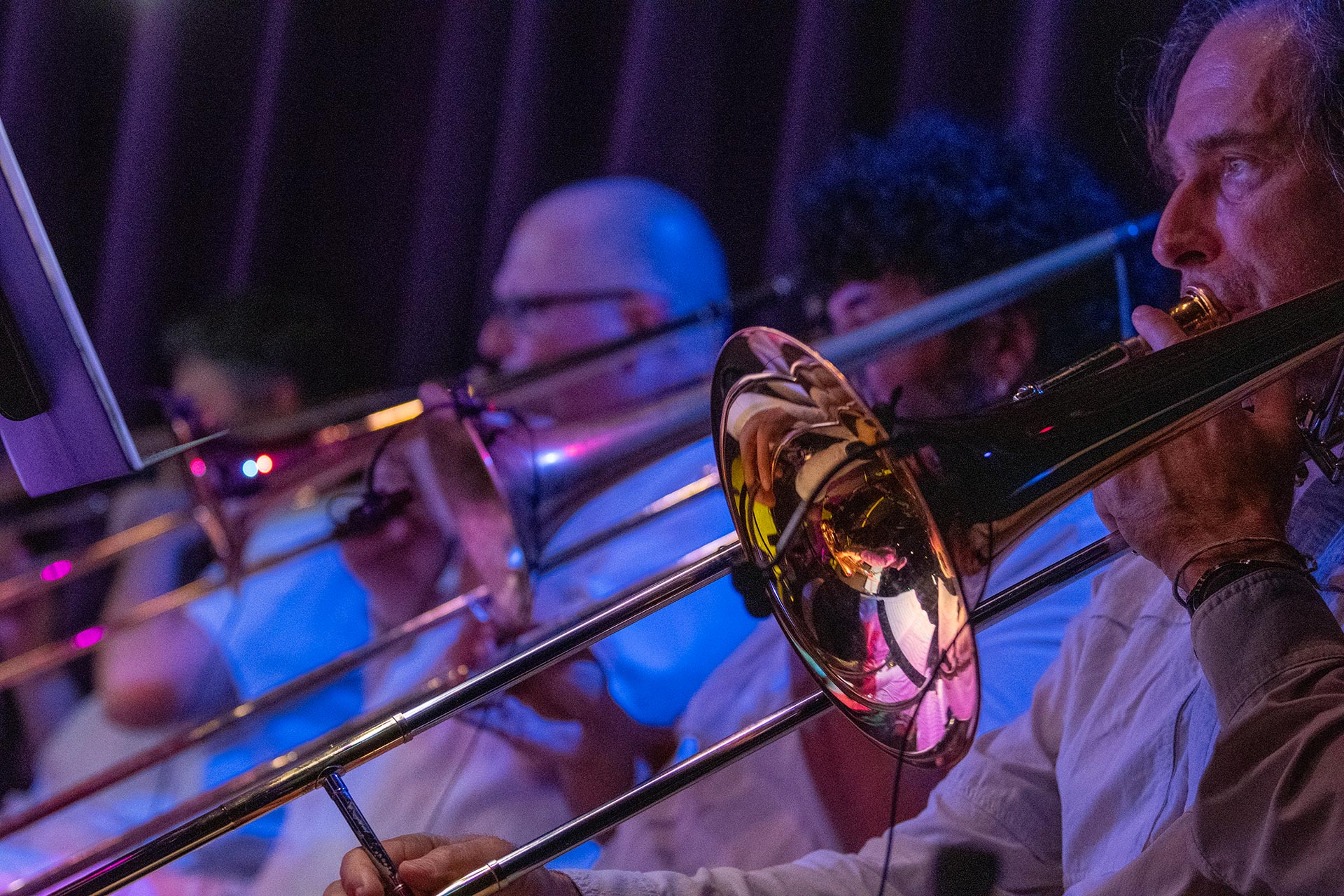
TROMBONES:
Dave Miller – lead
Noah Bless
Armando Vergara
Chris Washburne
ELECTRIC CUBAN TRES/ ELECTRIC GUITAR:
Benjamin Lapidus
FLUTE, BACKGROUND VOCALS:
Gabriel Garo
VIOLIN:
Ben Sutin
LEAD VOCALS:
Gerardo Contino
Jennifer Jade Ledesna
Oreste Abrantes
TECH/ROADIE:
Roberto José Sanabria
THE MAN:
ARSENIO RODRIGUEZ (b. Ignacio Arsenio Travieso Scull in Matanzas, Cuba, August 31, 1911 – d. in Los Angeles on December 31, 1970) was a master of the Cuban mandolin like sounding guitar known as the tres which is made up of three sets of double strings. Known as a masterful composer, he was as transformative in Cuban music as Louis Armstrong was in jazz and is recognized as the most important figure in the history of Afro-Cuban-based dance music. Rodríguez was the first bandleader to add the conga drum, piano and multiple trumpets to perform Cuban dance music and developed a new hard driving rhythmic approach which he called son montuno which became the DNA of what became known as mambo thus forming the template for what today is known in New York City and the world over as salsa. Acclaimed as one of Cuba’s most renowned bandleaders and composers, he was known by the sobriquet, “El Ciego Maravilloso” (the Blind Marvel) his blindness occurring when as a child he was kicked in the head by a mule or some say by a horse. In 1950, at the age of 39, Arsenio moved to the New York forming a new band, Arsenio Rodríguez y su Conjunto de Estrellas moving back and forth between the city of skyscrapers and Cuba. But by 1952 he made the South Bronx his home where he performed regularly in Manhattan and the Bronx at the Palladium Ballroom, Manhattan Center, Park Plaza, Hunts Point Palace and other dancehalls. His presence in the area led him to directly influence, inspire and mentor future salsa stars like Ray Barretto, Johnny Pacheco, Orlando Marin, Charlie and Eddie Palmieri, Willie Colon, Larry Harlow as well as the entire genre. In other words without Arsenio there is no salsa and in many ways no Afro-Cuban jazz. Sadly he would die in obscurity in 1970 in Los Angeles finally being interred at the Ferncliff Cemetery in Westchester County, NY. A family dispute led to an oversight and no headstone was placed at his grave and just the number 1347 designated where he was buried. New York State law allows only a relative of the deceased to authorize the placement of a headstone. But a group of devoted cognoscenti led by noted historians and collectors Ralph Mendez and Henry Medina began the search for a relative and for permanent recognition in the South Bronx neighborhood where he once lived. In August of 2012 Arsenio finally received a proper headstone at his burial site payed for by Larry Harlow and the plaza at the Intersection of Intervale Avenue and Dawson Street in the Bronx was named in his honor.
THE MUSIC:
TUMBA Y BONGÓ – Although some groups that played son (the folk song tradition from Eastern, Cuba that is the root of salsa) in Cuba had experimented with utilizing a conga drum in band performance, most notably Septeto La Llave, it was only on occasion as a novelty. It was Arsenio who made it a permanent part of his ensemble thus dramatically changing the way the son was played. This was noteworthy on several levels. Only used for African rooted religious ceremonies, the secular rumba, and the conga de comparsa (carnival celebrations), the conga drum (tumba, or tumbadora as Cubans call it) with its roots in the Bantú Congo drum known as “Ngome,” now through Arsenio became a public symbol on the bandstand of the musics rhythmic roots in Africa. Besides giving pride to Cuba’s Black community, it provided a new rhythmic tonal center of gravity freeing the bass and bongó to play in a more complex fashion. With Arsenio’s additional innovation of adding the piano (Lili Martínez Griñan), as well as adding multiple trumpets playing interlocking layered phrases, this new approach, “son montuno,” became the foundation of the mambo and what today we call “salsa.” The arrangement opens with a frenetic rhythm known as Palo from the Bantú Congo rooted religion of the same name of West-Central African heritage that Arsenio was raised in. The arrangement makes a short transition to a rarely used rhythm known as Afro-Son that at one time was popular in the Cuba of the 1930s. It then seamlessly transitions to the hard driving son montuno. Arsenio’s composition gives praise to the marriage of the conga and bongó on the bandstand by name checking Arsenio’s conguero Félix “Chocolate” Alfonso and his bongócero, Antolín “Papa Kila” Suárez. Jeremy Fletcher’s innovative multi-movement arrangement featuring a sax soli section that brings Arsenio’s music into the 21st century showcasing the trumpet talents of Kali Rodriguez-Peña and Max Darché connecting the past with the present in tribute to his legendary trumpet soloist, Felix Chapottin. Gerardo Contino and Jennifer Jade Ledesna along with yours truly and Orestes Abrantes sing the melody in harmony in the “old school” tradition of the son.
LA FRUTA – Takao Heisho’s composition incorporates all of Arsenio’s concepts in a modernistic way. The opening ceremonial rhythm known as “Bembé” comes from the other major musical, religious culture that was brought to Cuba from West Africa. The mighty Yoruba people were the last group of Africans brought to the island in chains during the colonial period in the 19th century. Their complex spiritual belief system fused with Catholic imagery to hide its practice became what is known today as Santeria. It’s governing principle of aché (positive energy) as well as the praise rhythms played for the many Orisha (super beings) that represent all aspects of nature and human nature has had a supreme effect on Cuban culture. The word itself has become part of everyday street vernacular as an affirmation of wishing a friend, family member or acquaintance, “positive energy.” The haunting opening melody played by the lone soprano saxophone of David Dejesus is a praise song dedicated to Oduduwa, the orisha (super being) who was sent by Olodumare (God) to create Earth. Although Arsenio’s own heritage was rooted in Bantú Congo West-Central African culture, he was exposed to the Yoruba rooted Santeria tradition through his next door neighbor, a woman who was an initiate. The climax of the trombone solo displays the connection between African American swing rhythm and the bembé in the horn backgrounds. The piece concludes with a rhythmic transition to the final evolution of Arsenio’s concepts, Cuba’s most contemporary form of dance music, Timba. Gerardo Contino displays the tradition of the “despelote,” the section in Timba where one of the singers as an MC eggs the crowd on to party and dance in much the same way an MC or “Hype Man” would do in Hip Hop.
NO QUIERO – Son montuno in its purest form – hard driving, at a medium tempo and in your face. A classic Arsenio’s composition that features another innovation by him, the use of multiple rhythmic stop time breaks (cierres) to create suspended animation, tension and release. The lyrics speak of a person being challenged by the devil and how they will not succumb as Gerardo Contino on vocals passionately evokes strength. Arsenio deftly uses Bantú based lyrical references tackling a subject of concern with defiance and pride but making you move and groove all at the same time.
LA CARTERA – A humorous piece by Arsenio that tells the story of a person who has lost their wallet and seeks help in finding it from a Babalao (a high priest) of the Yoruba, Nigerian rooted religion as practiced in Cuba, Santeria. The tune became a major hit in 1974 for legendary Brooklyn born pianist/bandleader Larry Harlow whose nom de plum was “El Judio Maravilloso” (The Jewish Marvel), a nod of respect to Arsenio’s own nickname “El Ciego Maravilloso” (The Blind Marvel). Originally in the up lifting, anecdotal guaracha style, Larry re-interpreted the song rhythmically in the Cuban flute/violin charanga style with its characteristic galloping cadence making it a hit with dancers. Here in a nod to Larry, his violinist Lewis Kahn, Arsenio and the flute tradition of the charanga, Darwin Noguera is featured on piano, Ben Lapidus on the Cuban tres, Gabrielle Garo on flute, and Ben Sutin on violin are all featured.
LA VIDA ES UN SUEÑO – Although Arsenio was known for his hard driving son montuno’s, guaracha’s, rumba’s and mambo’s, he was also a composer of great poetic ballads (boleros). It is no wonder that his greatest composition is considered to be, “Life Is But A Dream.” Its inspiration was a devastating traumatic event that would cost him his sight. Although accounts vary, before he was ten years old Arsenio was kicked in the head by a mule or horse that blinded him. In 1947 star Cuban vocalist Miguelito Valdés organized a fund drive for Arsenio so he could to travel to NYC. The objective? To be examined by the famed Spanish eye surgeon Ramón Castroviejo who had become world famous for for his achievements in corneal transplantation. It is said that he told Arsenio, “Lo siento maestro. Es un caso perdido. I’m sorry maestro. It’s a lost cause.” Upon his return to Cuba Arsenio wrote these words.
“After one lives twenty disappointments what does one more matter. After you realize what life is about you must not cry. You have to realize that everything is a lie that nothing is true.
You have to live for the moment of happiness. You have to enjoy what you can enjoy. Because taking into account everything, life is but a dream and everything leaves.
Reality is just birth and death. So why fill it with so much anxiety. Everything is nothing more than eternal suffering and a world with unhappiness.”
You have to realize that everything is a lie and nothing is real. Reality is just birth and death. So why fill it with so much anxiety. Everything is nothing more than eternal suffering and a world made up of unhappiness.”
Andrew Neesley’s multi-movement arrangement frames the melancholy of Arsenio’s lyrics in a majestic opening. It transitions to an uplifting faster mambo section musically representing his travel to NYC experiencing his anticipation, wonder and hope. Featuring Chris Washburne on bass trombone and Jennifer Jade Ledesna scatting, Arsenio’s fate forms the finale of the arrangement with Gerardo and Jennifer representing Arsenio’s acceptance of his fate with dignity.
MAMBO DIABLO – “As far as I’m concerned Arsenio invented the mambo.” So said Maestro Tito Puente to yours truly when I was part of his orchestra. As the Father of Afro-Cuban jazz Mario Bauzá once told me, “ (Puente)…is the greatest musician in the history of Cuban music and he’s not even Cuban, he’s a Puerto Rican from NYC like you.” This Arsenio inspired Puente jazz mambo was conceived by him in 1953. A subsequent modernized version by him appears on his 1973 Tito Puente and his Concert Orchestra album as well as later small group versions. Arsenio called the multiple trumpet horn lines that he conceived rhythmically interlocking at the clave (the rhythmic building block of Afro-Cuban music), “diablo’s” – devilish musical phrases. This concept was eventually adapted to the charanga (a Cuban ensemble featuring flute and violins) style by the bassist of Antonio Arcaño Y Sus Maravillas, Israel “Cachao” Lopez, and to the big band format by Cuban pianist Damaso Perez Prado. But it was in NYC where the orchestras of Machito, Puente and Tito Rodriguez that the mambo achieved its zenith by being combined with jazz oriented arrangements featuring modern harmony featuring jazz soloists. By the way, the word mambo is the Bantú Congo word for a repetitive song or chant. This new orchestration features a sax soli based on the original soprano sax solo taken by Don Palmer on Maestro Puente’s 1973 big band version. Despite the “jazz” orientation of the music, make no mistake about it, Maestro Puente and his contemporaries engineered this music for dancing with maximum hipness.
MULATO RUMBERO – This classic composition by violinist Alejandro Rodriguez’s has many times been erroneously credited to Arsenio because of the similarity of their names. But it was indeed inspired by Arsenio’s use of the rumba drumming tradition adapted to a band context through his creation of the son montuno. Listen for his concepts in the arrangement. Multi-layering in the horns, hard driving rhythm, multiple cierre’s (breaks), intense swing and elements of the combination of son and guaguancó which today we call Songó. The virtuosity of Jeff Lederer on tenor sax, Ben Lapidus on electric guitar and the entire trumpet section are featured in a tour de force performance that brought the crowd to their feet.
EL ELEMENTO DEL BRONX – In 1952 Arsenio returned to New York City living for a short time in El Barrio/Spanish Harlem eventually making the South Bronx his home. It was on the weekends that he would have rumba’s at his apartment recreating what he experienced in his native Cuba. Here he would invite a select group of Puerto Rican drummers he respected – Ray Barretto, Little Ray Romero, Tommy Lopez and Manny Oquendo, to participate with Cuban masters like Julito Collazo, Mongo Santamaria, Virgilio Marti, Mario “Papaito” Muñoz and more. He expressed his love for the borough in this composition where his lyrics talk about all of the various rhythms that one can hear in the neighborhood. From guaguancó, son, danzón and more making it the place for all, just like the Bronx Music Hall. Its performance with intense extended solos with yours truly having the final say is just the way bands in the past played. As National Endowment of The Arts Jazz Master pianist and SOB (Son Of The Bronx) Eddie Palmieri would say. “We played as if our lives depended on it because it was a war between the band and the dancers to see who was going to win.”
YO NACI EN AFRICA/ANABACOA – Arsenio was proud of his African Bantú Congo rooted heritage and he affirmed it publicly in this song where he proudly states, “I was born In Africa.” In the uptempo mambo guaracha style, if you listen to the original recording, it’s Arsenio himself who is singing. I came up with idea of coupling it with one of the songs most associated with Arsenio, “Anabacoa,” using a 12 bar blues as a transitional section between both songs. The irony is he didn’t compose it. Written by Puerto Rican trumpeter Juanchín Ramírez it also was a hit for Cuba’s most renowned vocalist, Benny Moré. It provides the perfect platform for the orchestra to explode in full extended descarga (jam session) mode in much the same way Arsenio and his contemporaries would perform at Bronx ballrooms like the Hunts Point Palace or NYC’s Palladium Ballroom driving the dancers into ecstasy.
SPECIAL THANKS: Elena Martinez, Lynn Mold, Seth Rothschild, Nancy Biberman, Devon Russell, René Lopez, Henry Medina, Ralph “Don Yeyo” Mendez, The Crew of Sound Associates (Jimmy Kavetas, Phillip Peglow, Alexey Menkov, Michael Prieto), Roberto José Sanabria, Pam Sporn and the people of the South Bronx. ¡Que viva Arsenio!
Bobby Sanabria endorses TAMA Drums, Sabian Cymbals, Latin Percussion Inc., Remo Drumheads, Vic Firth Sticks
Oreste Abrantes endorses Latin Percussion Inc.
Matthew Gonzalez endorses TOCA Percussion
Leo Traversa endorses Sadowksy basses and LaBella Strings
Visit the Bronx music hall at bronxmusichall.org
PRESS
“It always begins as an aside —“BTW: Speaking of Bobby Sanabria…”—but with Bobby, there are no asides. He’s one of those figures who refuses to stay in the margins of a sentence or the footnotes of a genre. He steps into the room with the full weight of history behind him, and suddenly you remember why this music matters, why it has always mattered. I think of him now as a kind of cultural sentinel: drummer, educator, bandleader, archivist, griot, Bronx son, and the unmistakable voice steering WBGO’s Latin Jazz Cruise through decades of tides and tempests. Bobby doesn’t just play rhythms—he defends them. He doesn’t just teach history—he insists we honor it.
So when he announces a new recording, Arsenio and Beyond, it feels less like an album release and more like a ceremonial unveiling. And of course he dedicates it to Arsenio Rodríguez, “the true Father of Mambo and Son Montuno,” because Bobby has never been afraid to say the thing that should have been carved in stone long ago. Without Arsenio, the whole edifice of salsa and AfroCuban jazz collapses. The tumbao, the montuno, the horn lines, the rhythmic DNA that pulses through our bodies—Arsenio planted those seeds. And Bobby, with that fierce Bronx devotion, tends the garden.
The fact that this album was recorded live at the new Bronx Music Hall—where he and his wife, Elena Martínez, serve as coArtistic Directors—adds another layer of resonance. It’s as if the borough itself leaned in to witness the moment, to bless it. A new hall, a new chapter, but the same ancestral fire.
Another magnum opus, yes. Another entry in a portfolio already overflowing with scholarship, sabor, and swing. But also, another reminder that lineage is not abstract—it is carried by people who refuse to let the truth be forgotten. When you hear it—and you will—prepare to be lifted. The walls will shake. Arsenio’s spirit will walk right back into the room, smiling that sly, knowing smile of a man whose innovations continue to ripple outward, generation after generation.
¡Que viva Arsenio! Always. Forever.” — JOSÉ MASSO, Host of “Con Sabor Latino”
“Bobby’s spectacular BIG BAND tribute to the now barely known “El Ciego Maravilloso” revitalizes a lost figure who helped shape Latin music in the 1940s and ‘50s. Latino kids, especially, need to know the greats, as do all people who love exciting music and are curious about the culture and evolution of Latin music’s many forms AND ITS INTERSECTION WITH JAZZ.” — Marc Myers, JazzWax.com
“It is impossible to even think about modern Afro Cuban/Latin music and Latin oriented jazz without thinking of Arsenio Rodriguez. He is that fundamental to the development of the music. Yet his name may not be known outside of true believer aficionados. But Arsenio and Beyond: Bobby Sanabria Multiverse Big Band should change that. Rodriguez’s original small group sound is expanded and embraced by Sanabria’s brilliant big band bringing many of Arsenio’s classics to life in a bold, progressive, and energetic new way done in front of a live audience. This album is high watermark for Sanabria and his musical cohorts as well as for the legacy of ‘El Ciego Maravilloso (The Blind Marvel),’ Arsenio Rodriguez.” — Felix Contreras, NPR
“It is not only rare but miraculous that you get the full historical sweep of Afro-Cuban/Latin Jazz in one record. With Arsenio and Beyond, maestro Bobby Sanabria outdoes himself with a recording that spans the millennium by delivering the classic rhythms and compositions of the music’s spiritual godfather, combined with exquisite modern interpretations from the Multiverse Big Band, currently the best full-scale Latin Jazz orchestra in the game. This record is the jewel in Sanabria’s prodigious musical career. ¡Viva Arsenio!” — T.J. English, New York Times best-selling author and Latin Jazz aficionado